

In this article
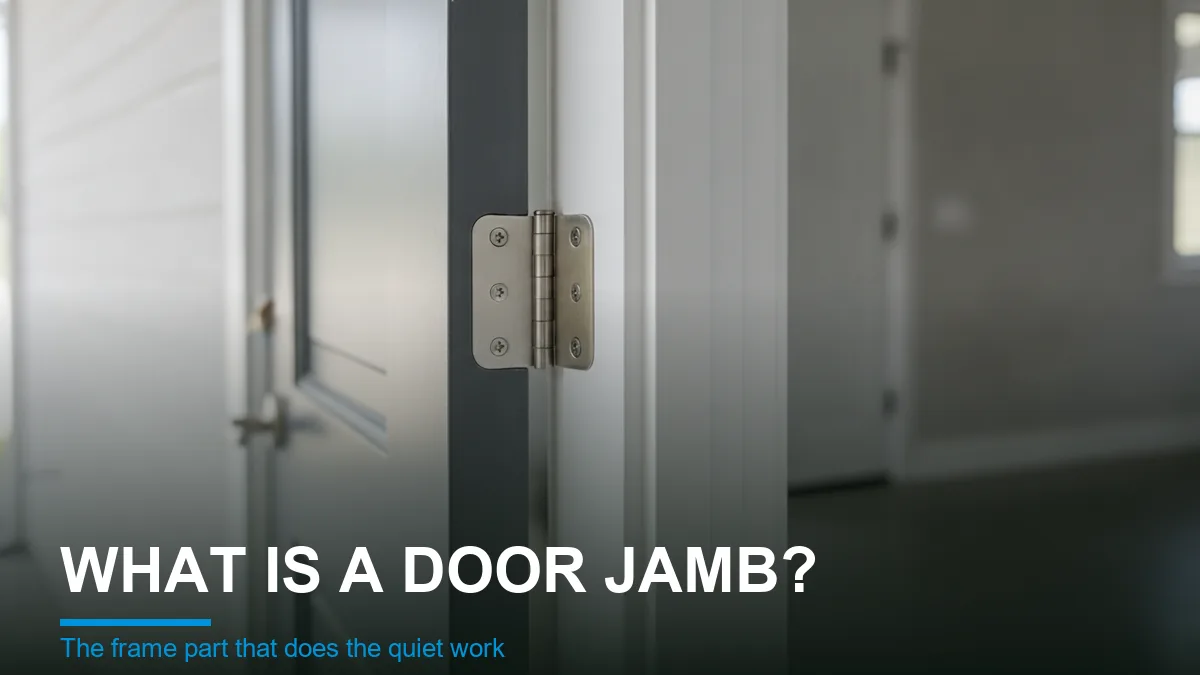
A door jamb is the vertical part of a door frame that the door hangs from and closes against. There are two of them on every doorway: the hinge jamb, which carries the hinges and the weight of the door, and the strike jamb, which holds the latch and the lock. Along with the head jamb across the top, they make up the structure that keeps a door square, sealed, and working. When you are looking at door configurations or trying to figure out why a door suddenly will not latch, the jamb is usually where the answer lives.
Most homeowners never think about the jamb until something goes wrong: a door that sticks, a lock that no longer lines up, or soft, dark wood at the bottom of an exterior frame. This guide explains what the jamb is, names the rest of the parts so you can describe the problem, and lays out when a jamb can be repaired and when it is time to replace it or the whole door.
What a Door Jamb Is
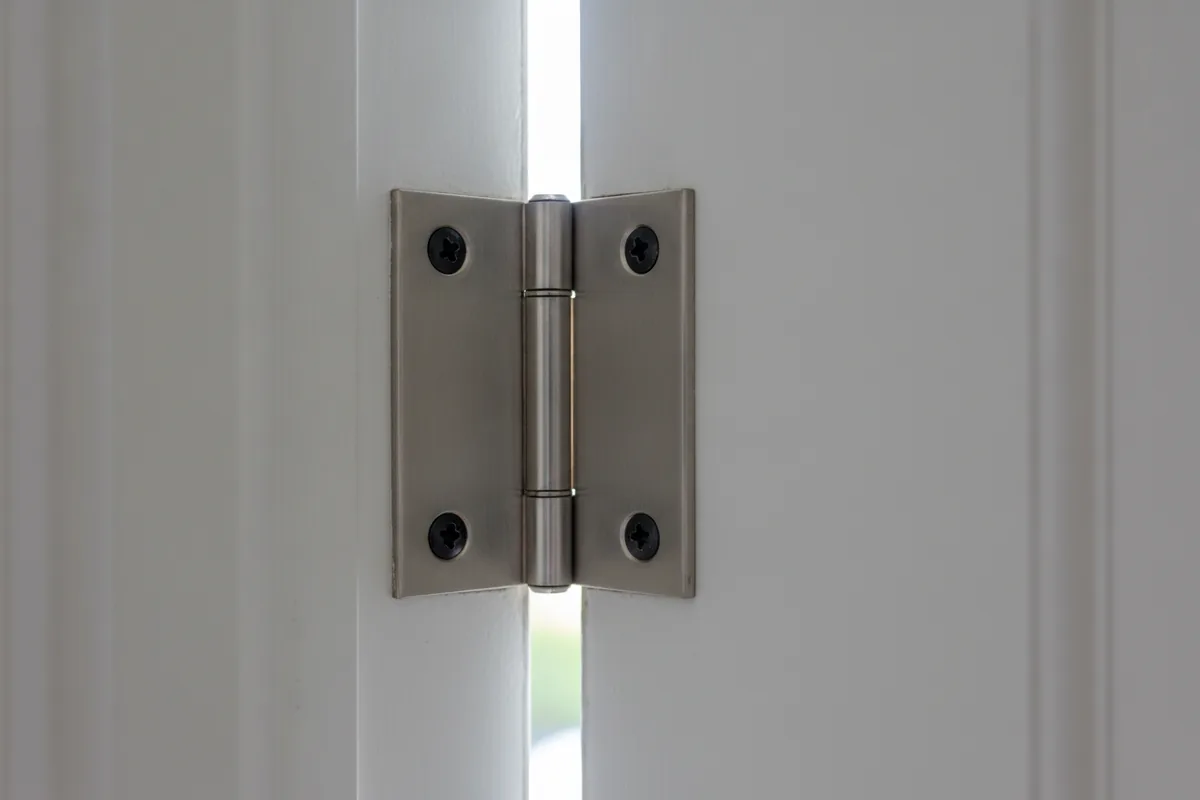
The jamb is the flat, upright board that lines each side of a door opening. The door is fastened to one jamb with hinges and meets the other when it closes. That sounds simple, but the jamb does a lot of quiet work. It carries the entire weight of the door through the hinges, holds the strike plate that the latch catches on, gives the weatherstripping something to seal against, and keeps the opening square so the door swings true.
On an exterior door the jamb has an even harder job, because it is part of the barrier between inside and outside. It has to hold the door tight enough to keep out wind, rain, and cold, season after season. That is why a failing exterior jamb shows up as drafts and water long before the door itself looks worn out, and why door performance and energy efficiency depend on the jamb as much as the slab.
Did you know?
The word jamb comes from the French jambe, meaning leg. It is a fitting name: the two side jambs are the legs the whole door stands on. If one of those legs rots or shifts, the door above it stops working properly, no matter how good the door itself is.
Parts of a Door Frame, Named
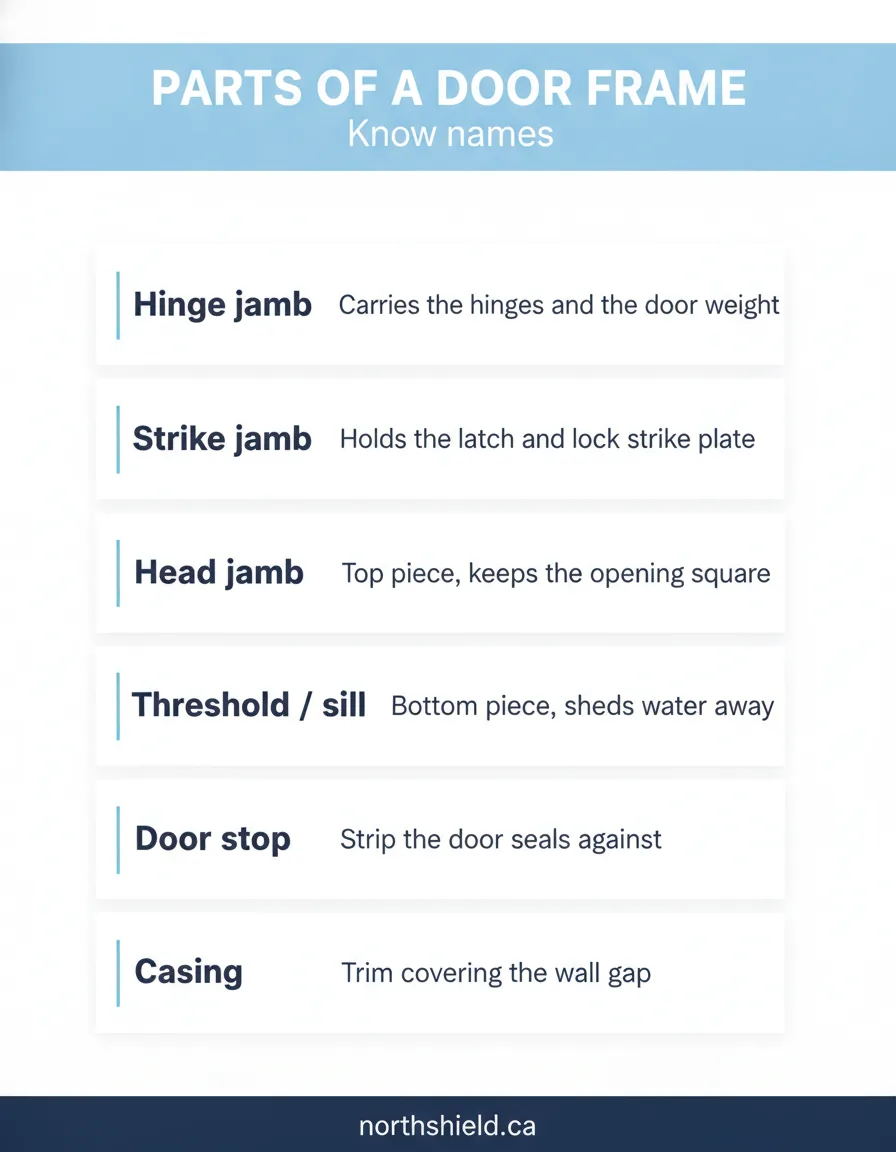
Being able to name the parts makes it much easier to explain a problem to an installer and to understand a quote. A door frame is not one piece, it is an assembly, and the jambs are the main players in it.
- Hinge jamb. The vertical side the hinges are mounted to. It bears the weight of the door, so this is where sag and pulled screws often start.
- Strike jamb (latch jamb). The opposite vertical side, holding the strike plate the latch and deadbolt catch on. Splits here stop a door from locking.
- Head jamb. The horizontal piece across the top that ties the two side jambs together and keeps the opening square.
- Threshold or sill. The bottom piece on an exterior door that the door closes down onto and that sheds water away from the house.
- Door stop. The thin strip running along the jambs that the door rests against when shut, giving the weatherstripping a sealing surface.
- Casing. The trim around the frame that covers the gap between the jamb and the wall. Cosmetic, but it hides a lot.
All of those together are the door frame. The jambs are the structural heart of it, which is why so many door problems trace back to a jamb rather than the door. If you are comparing energy-efficient door options, knowing these parts helps you ask the right questions about how the whole unit is built and sealed.
Signs Your Jamb Needs to Be Replaced
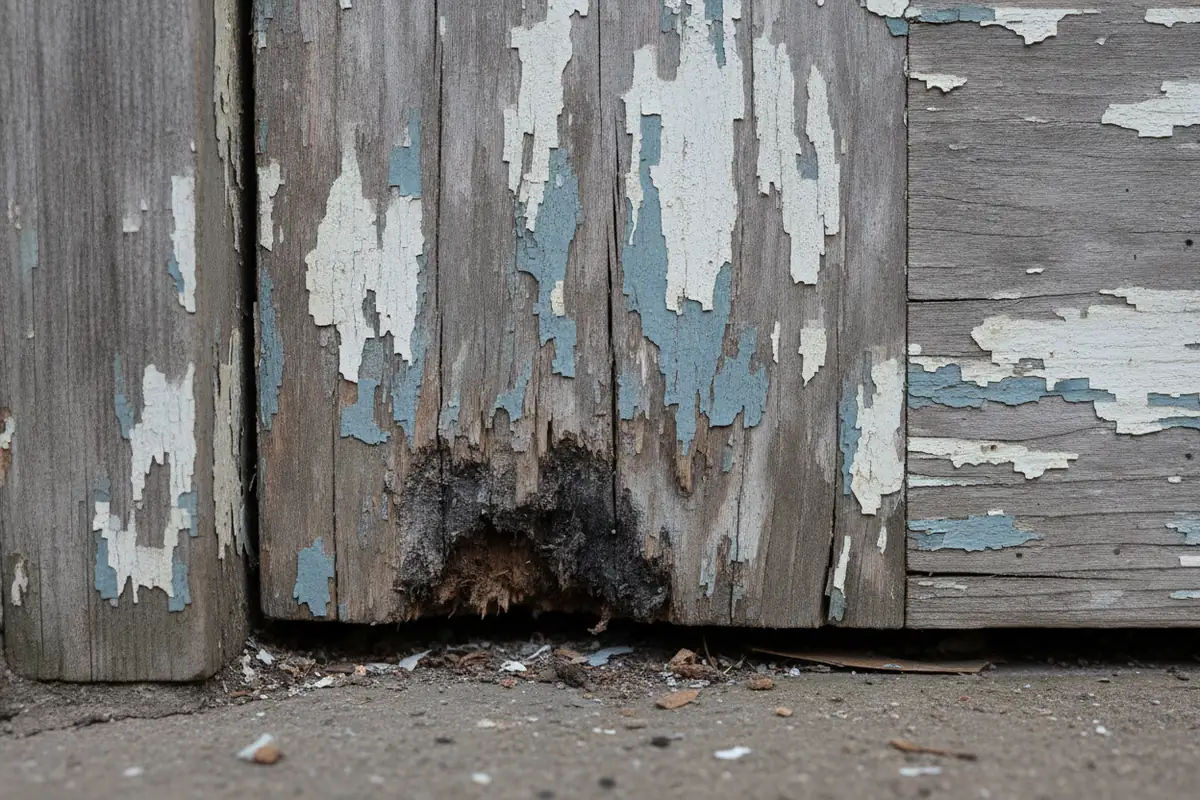
A jamb gives plenty of warning before it fails outright. The trick is reading the signs early, because a small rot pocket or split spreads, and a compromised jamb undoes the seal and security of the whole door. Watch for these.
Start at the bottom of an exterior jamb, where water collects. Soft, dark, or crumbling wood there is rot, and pressing it with a screwdriver tells you fast: if the tip sinks in, the wood is gone. Higher up, look at the strike side. A split running from the strike plate, often from a forced entry or years of slamming, means the jamb can no longer hold the latch reliably. On the hinge side, screws that spin without tightening and a door that has dropped so it scrapes or will not latch point to a hinge jamb losing its grip.
People often ask: is a draft always a jamb problem?
Not always, but it is a common cause. Drafts and daylight around the edges of a closed door usually mean the seal between door and jamb has failed, which can be worn weatherstripping, a warped slab, or a jamb that has shifted or rotted. If new weatherstripping does not fix it, the jamb has likely moved out of square or lost wood, and that is when replacement enters the conversation.
One more: water stains or peeling paint on the interior side near the frame. That often means water is getting past a failing exterior jamb or sill and tracking inside, which is both a comfort problem and a sign the wood is taking on moisture it should not.
Repair the Jamb or Replace the Door?
Not every bad jamb means a new door. The right move depends on how much has failed and how the door was built. A localised problem on an otherwise sound frame can sometimes be repaired; a frame that has lost its structure usually calls for replacement.
If the door slab and most of the frame are in good shape and only one jamb is damaged, a carpenter can cut out and rebuild that jamb, then rehang the door against it. That works well for a single split strike jamb or a small rot pocket caught early. But many exterior doors are prehung, meaning the slab, jambs, and weatherstripping were built and balanced as one unit at the factory. Once that unit is racked or rotted, replacing the whole prehung door is often cleaner, faster, and more weathertight than nursing one jamb back to life.
Pro tip before you decide
Check whether the rest of the frame is square and the slab still seals before you spend on a jamb repair. If the door is old, the threshold is worn, and the jamb is rotting, you are likely to be back fixing the next failure within a year or two. In that case a new prehung unit, fitted and sealed properly, usually costs less over its life than a string of repairs.
A general rule of thumb: isolated damage on a healthy frame leans toward repair, while widespread rot, an old worn frame, or a jamb that has shifted out of square leans toward replacing the door. For an exterior door especially, getting the seal and the structure right matters more than saving the original frame, which is where a proper door replacement assessment earns its keep.
Keeping a Door Jamb From Rotting
Most jamb failures on exterior doors come down to one thing: water that should have drained away instead sat against the wood. A few habits keep that from happening and add years to a frame.
- Keep the door sealed and painted. Bare or cracked paint lets wood drink up moisture. A maintained finish sheds it.
- Replace tired weatherstripping. Worn seals let water and air work in behind the jamb where you cannot see it.
- Make the sill drain away from the house. A threshold that pools water feeds rot at the bottom corners of the jambs.
- Clear snow and ice off the bottom of the door. Standing meltwater in winter is one of the main reasons Canadian exterior jambs rot.
- Consider composite or capped jambs. Where rot keeps returning, a non-wood or properly clad jamb removes the material that rots.
None of this is complicated, but it is the difference between a frame that lasts decades and one that fails in a few seasons. The jamb is doing quiet, constant work, and a little upkeep keeps it doing that work instead of becoming your next project.
Please note: This article is general home-improvement information, not a diagnosis of your specific door. Whether a jamb can be repaired or the door should be replaced depends on the condition of the frame, slab, and seal, which should be assessed in person. NorthShield Windows and Doors is not responsible for outcomes from work done based on this content. Have a door professional inspect the frame before deciding how to proceed.
Download the free quick guide
Save this as a PDF to keep on hand.
FAQs
Sources and references
- Natural Resources Canada – ENERGY STAR Canada
- Natural Resources Canada – ENERGY STAR program overview
- National Research Council Canada – Canadian Construction Materials Centre
Dealing with a sticking, drafty, or rotting door? The smart first step is to have the jamb and the rest of the frame looked at together, so you know whether you are facing a quick repair or a full door replacement. NorthShield Windows and Doors sells and installs factory-direct exterior doors, prehung and properly sealed for our climate. Reach out for a free estimate and we will help you sort out what your door actually needs.