

Vinyl Window Replacements
Vinyl Windows by NorthShield
Shop Vinyl Windows By Style
Window replacement is the removal of old window units and installation of new ones, either as a retrofit (the frame stays) or full-frame (the frame is replaced). NorthShield installs custom Canadian-made vinyl windows across the GTA, Winnipeg, and Calgary, with a free in-home measurement and a written quote.
Explore our online catalogue of vinyl framed windows. All of our windows are fully customizable, offering a selection of coloured window frames, window grilles, specialty hardware and energy efficient features.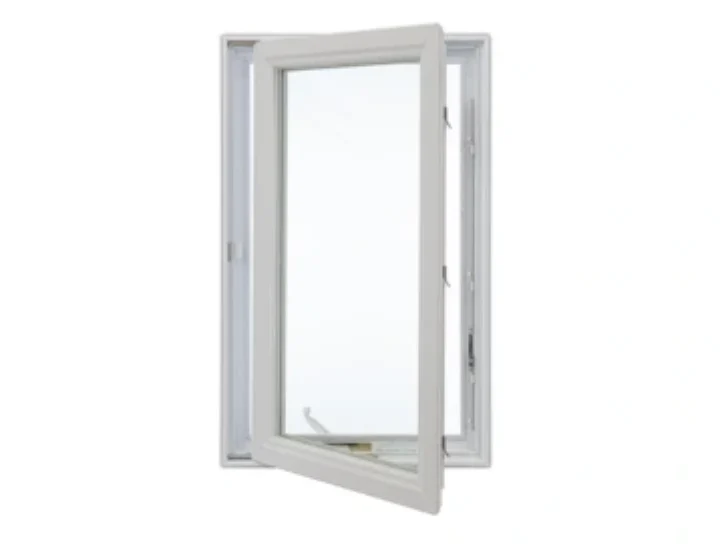
Easy to use and the most popular window style in Canada.
MORE DETAILS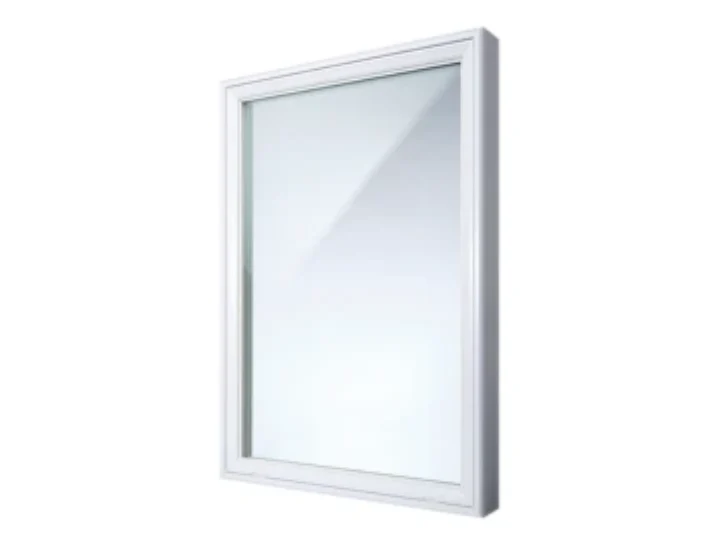
Low profile, fixed windows that frame the view perfectly.
MORE DETAILS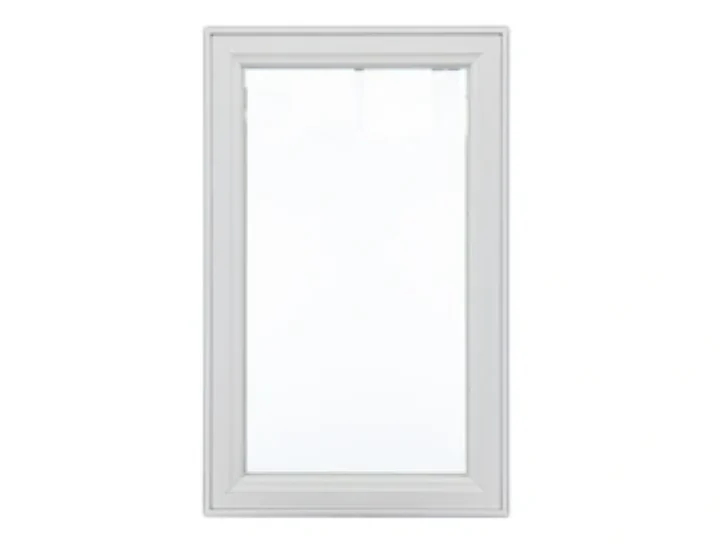
High profile, fixed windows that compliment any configuration.
MORE DETAILS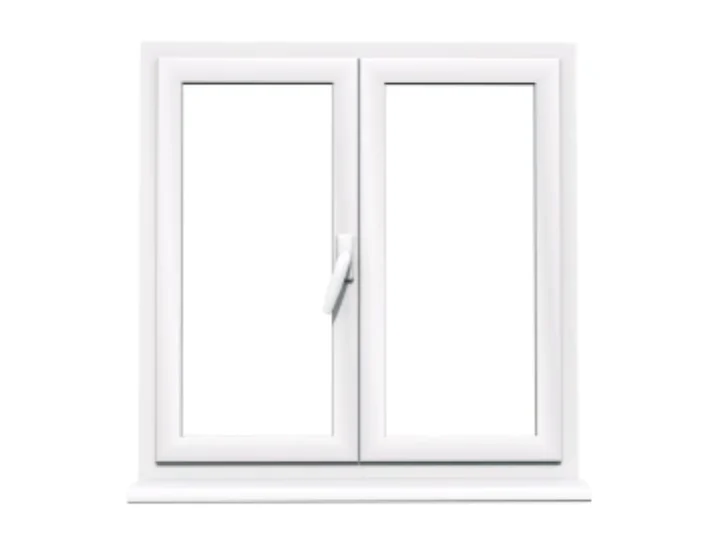
Popular in Europe, turn the handle to open multiple ways.
MORE DETAILS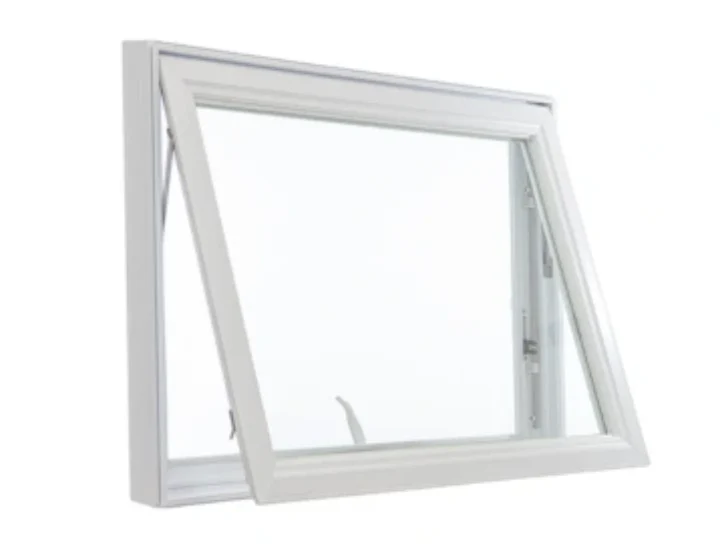
Opening outwards, these the most popular style for bathrooms.
MORE DETAILS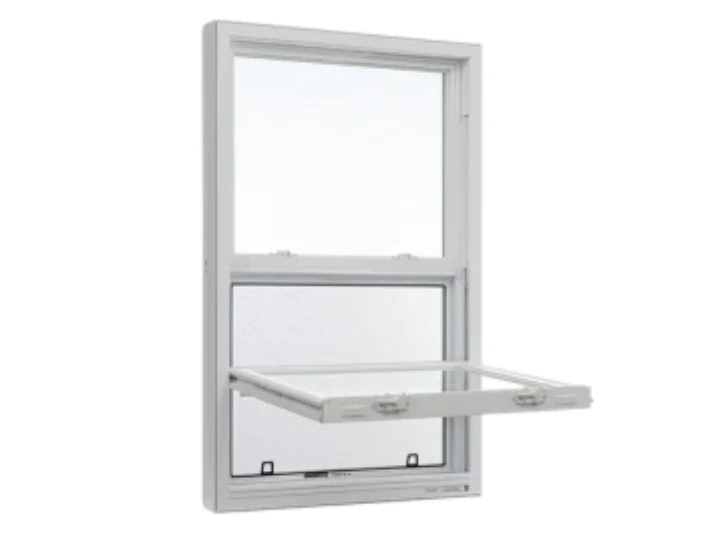
Open just the bottom sash for enhanced security.
MORE DETAILS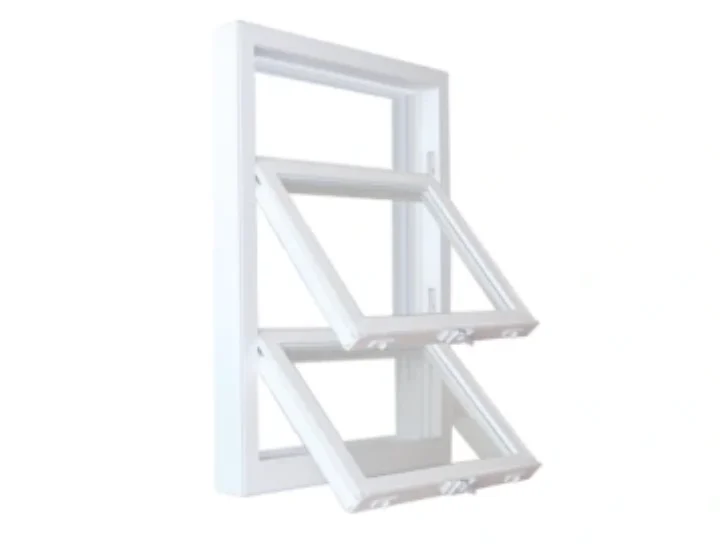
Open both top and bottom sashes for excellent ventilation.
MORE DETAILS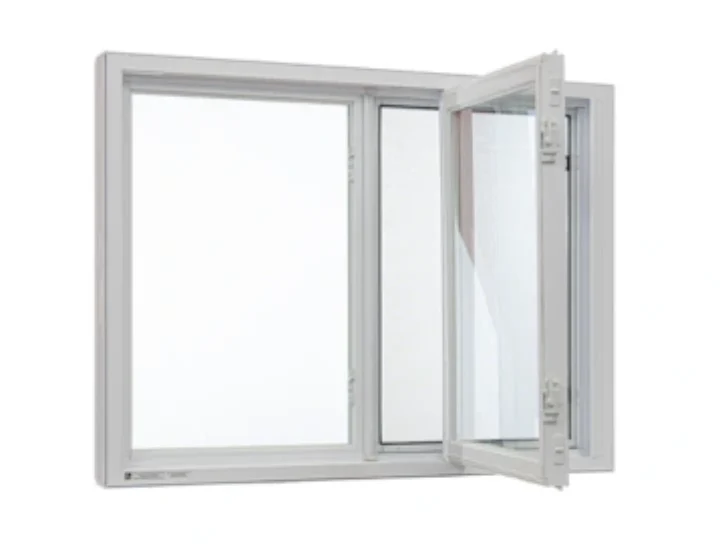
Slide the sash to open just one side for enhanced security.
MORE DETAILS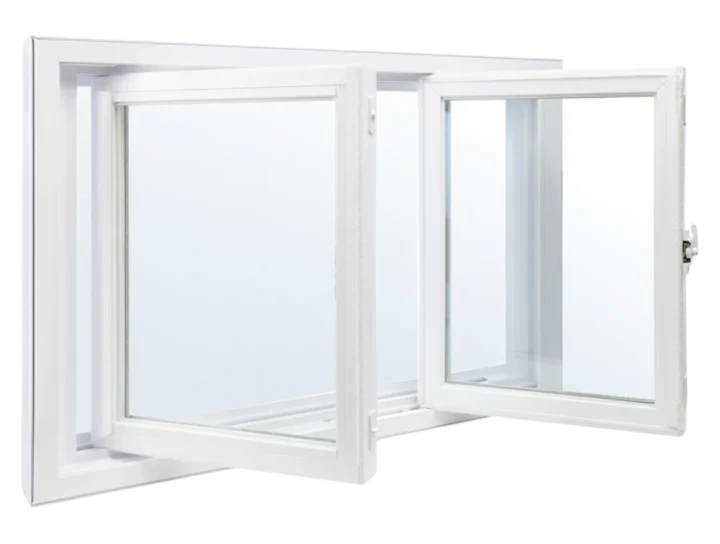
Slide both sashes independently to open both sides.
MORE DETAILS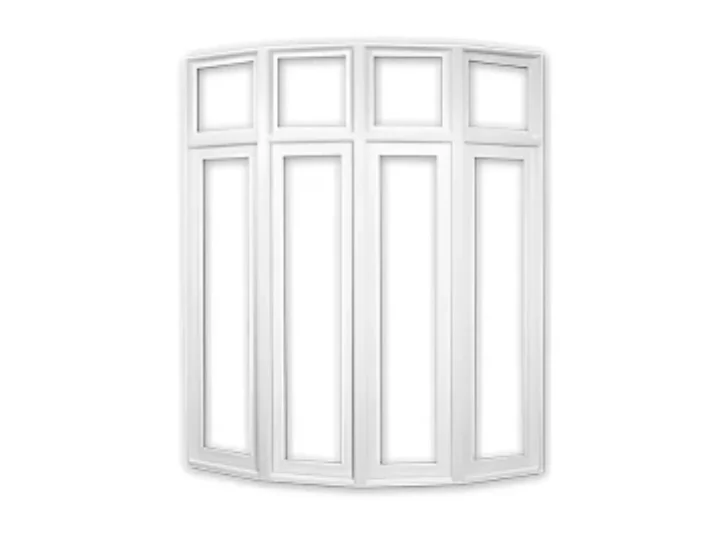
Stylish and elegant, providing panoramic views.
MORE DETAILS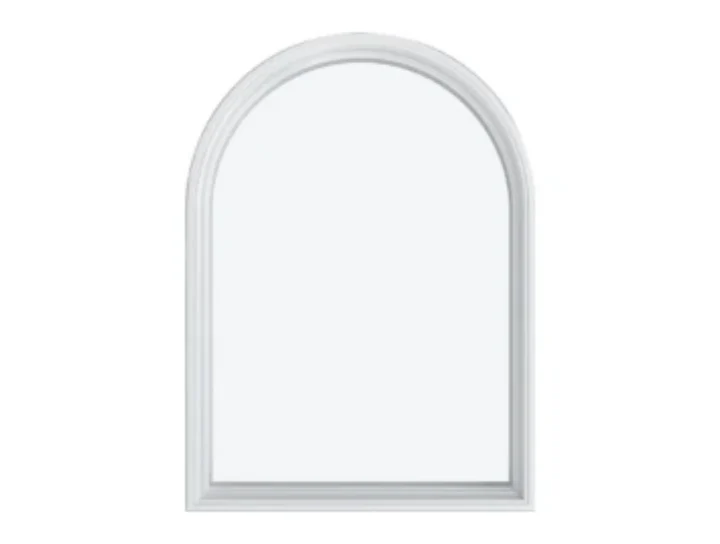
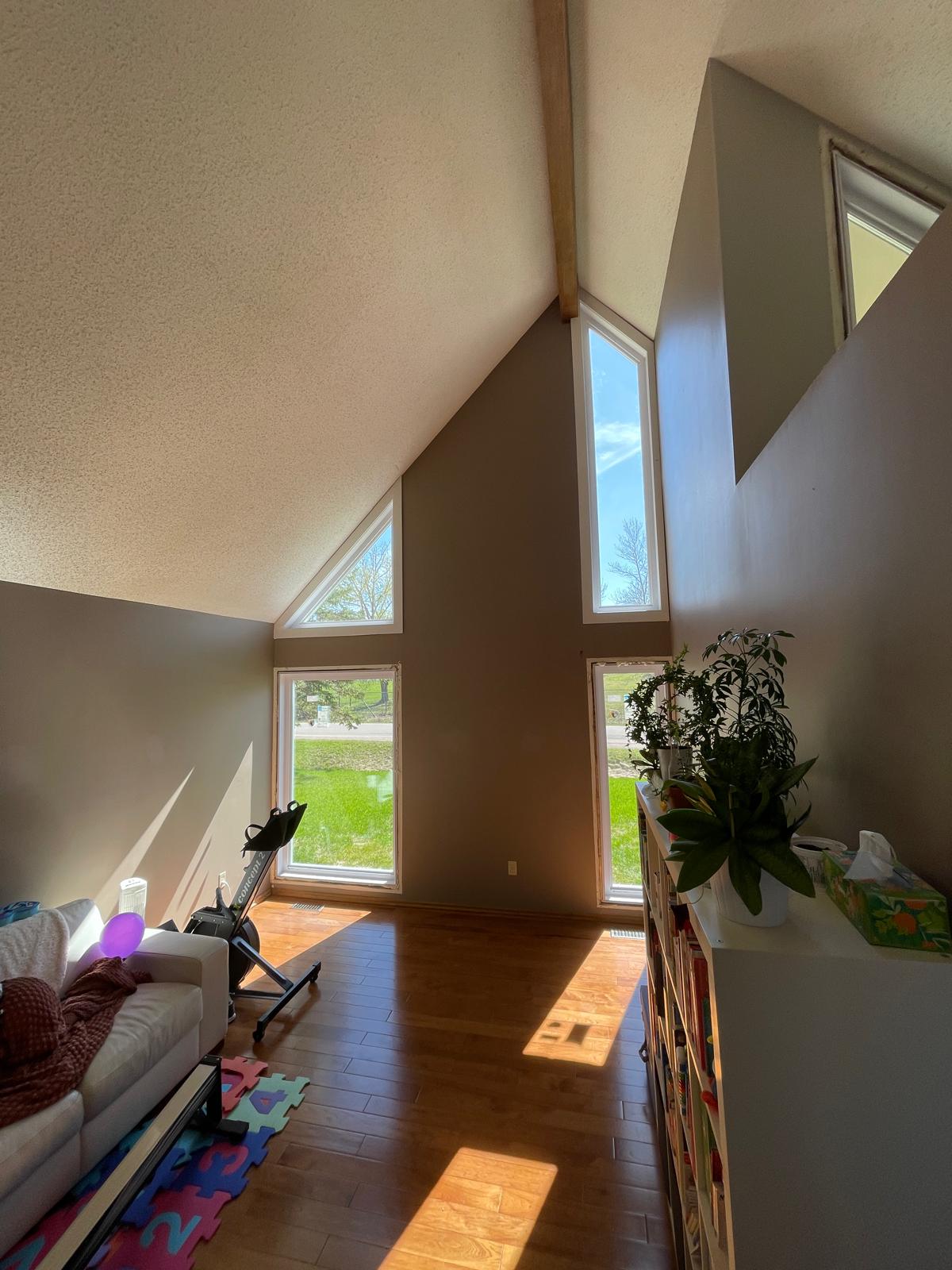
Choose any shape window and we will manufacture it!
MORE DETAILS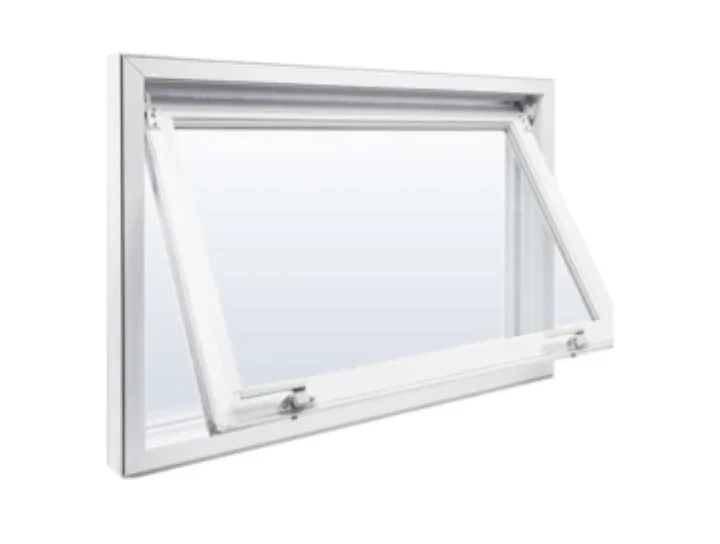
Opening inwards, these are the most popular style for basements.
MORE DETAILS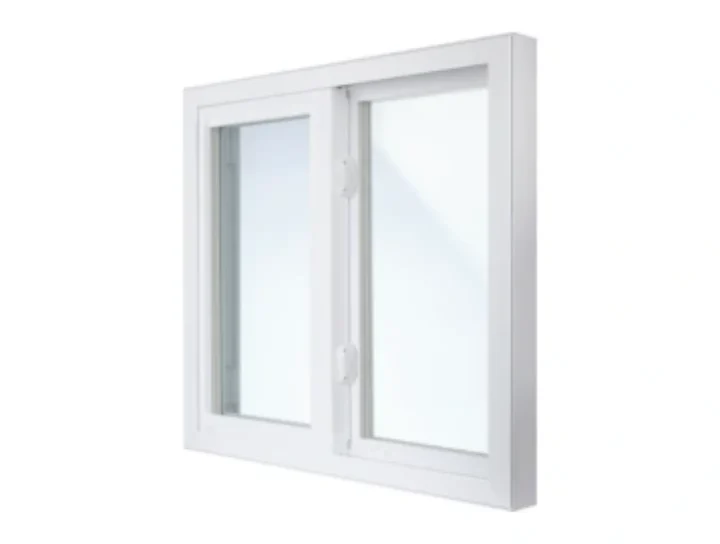
Choose to slide one sash or open inwards like a casement.
MORE DETAILSShop New Windows By Room
Explore our selection of window styles organized by room, along with recommendations from our experts so you can get the most out of your new vinyl window installation services.
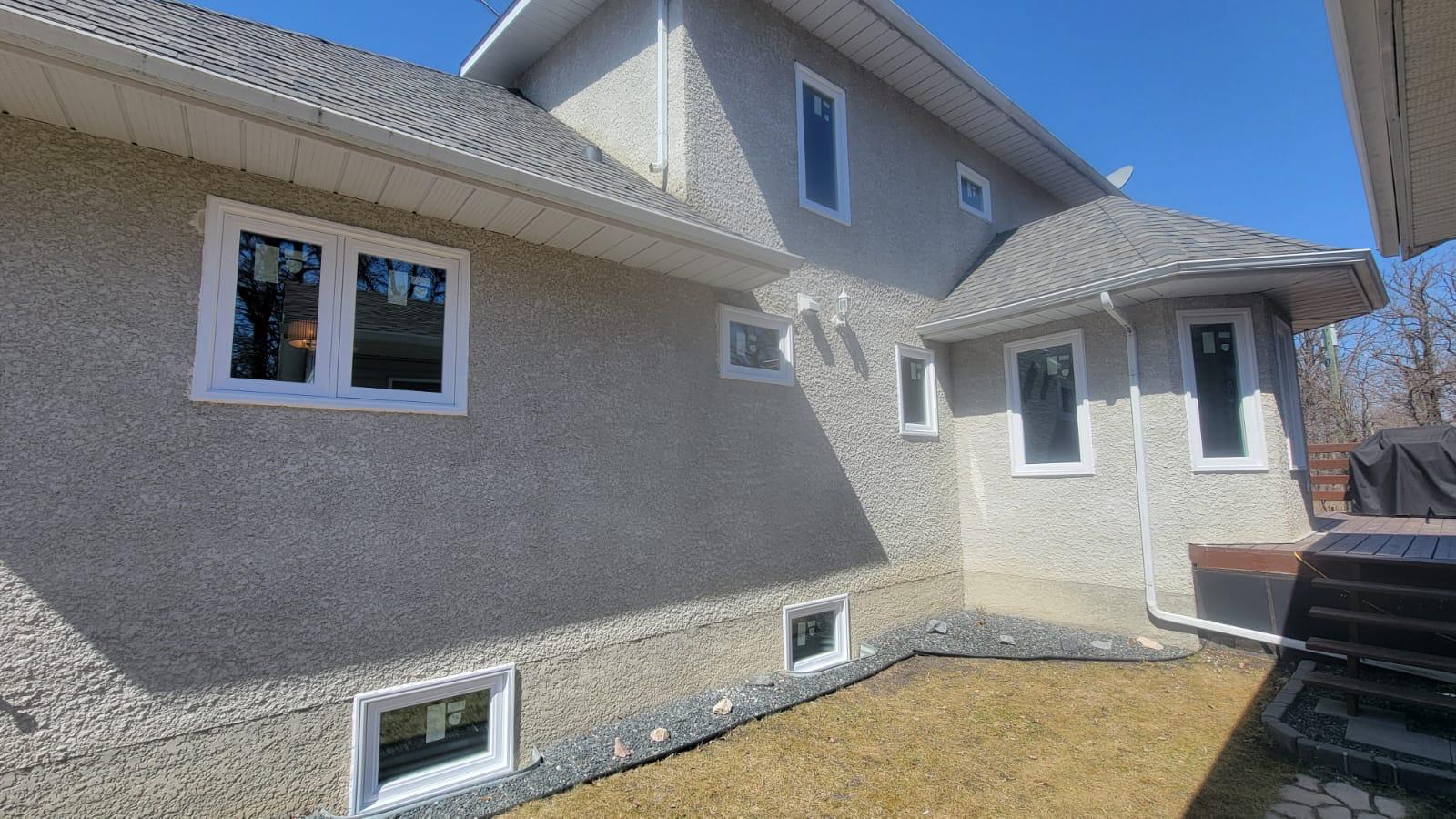
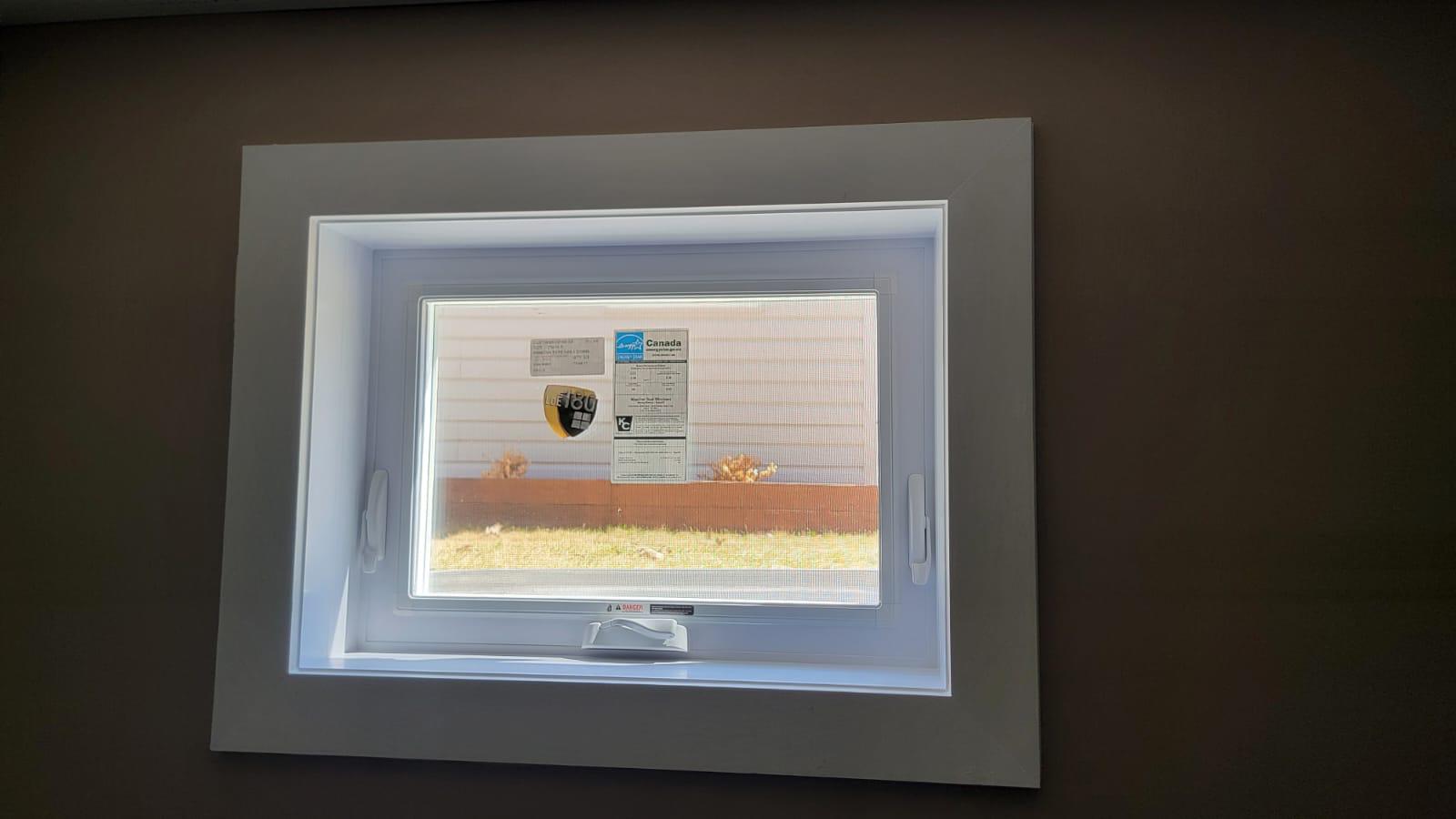
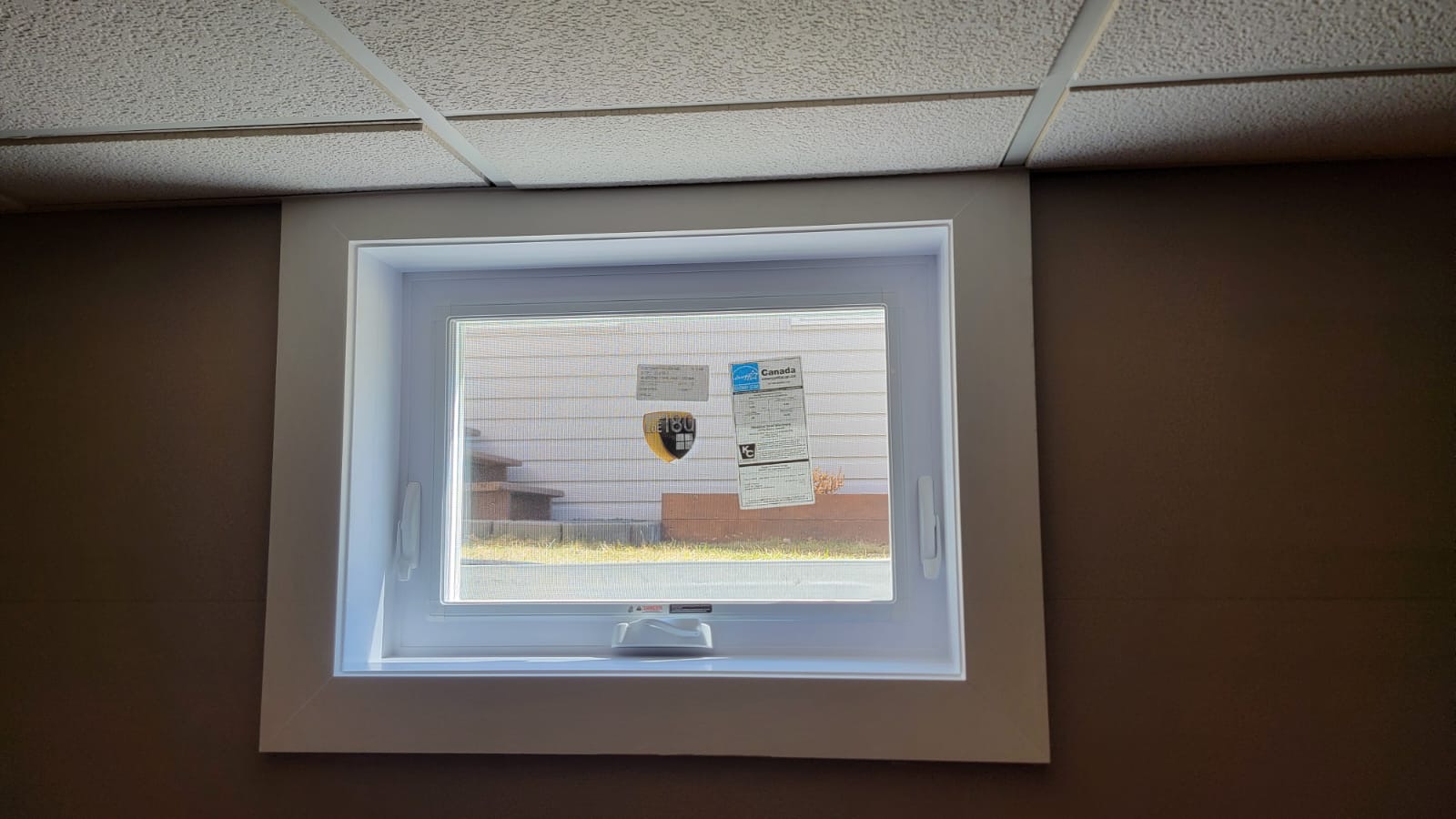
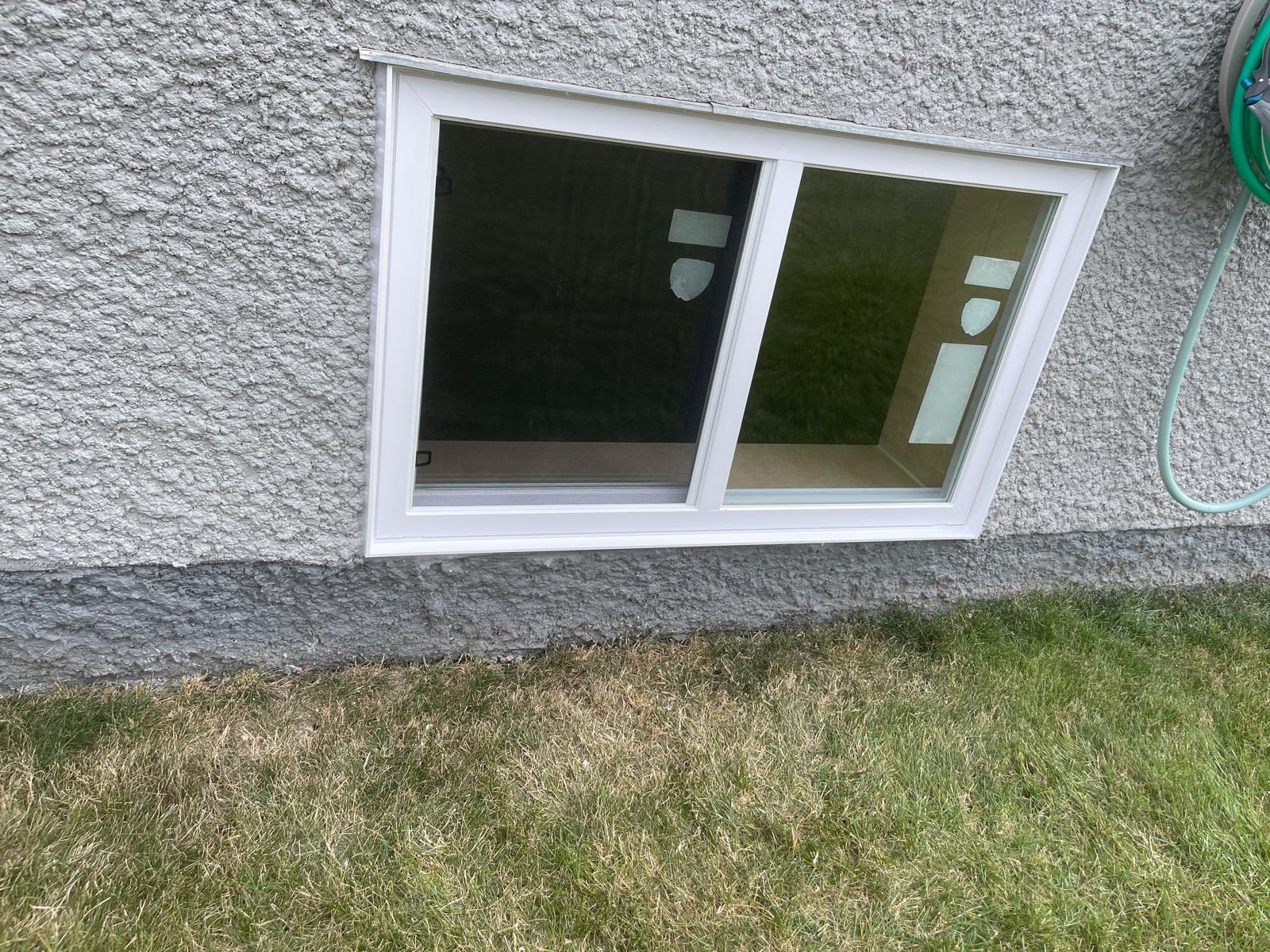
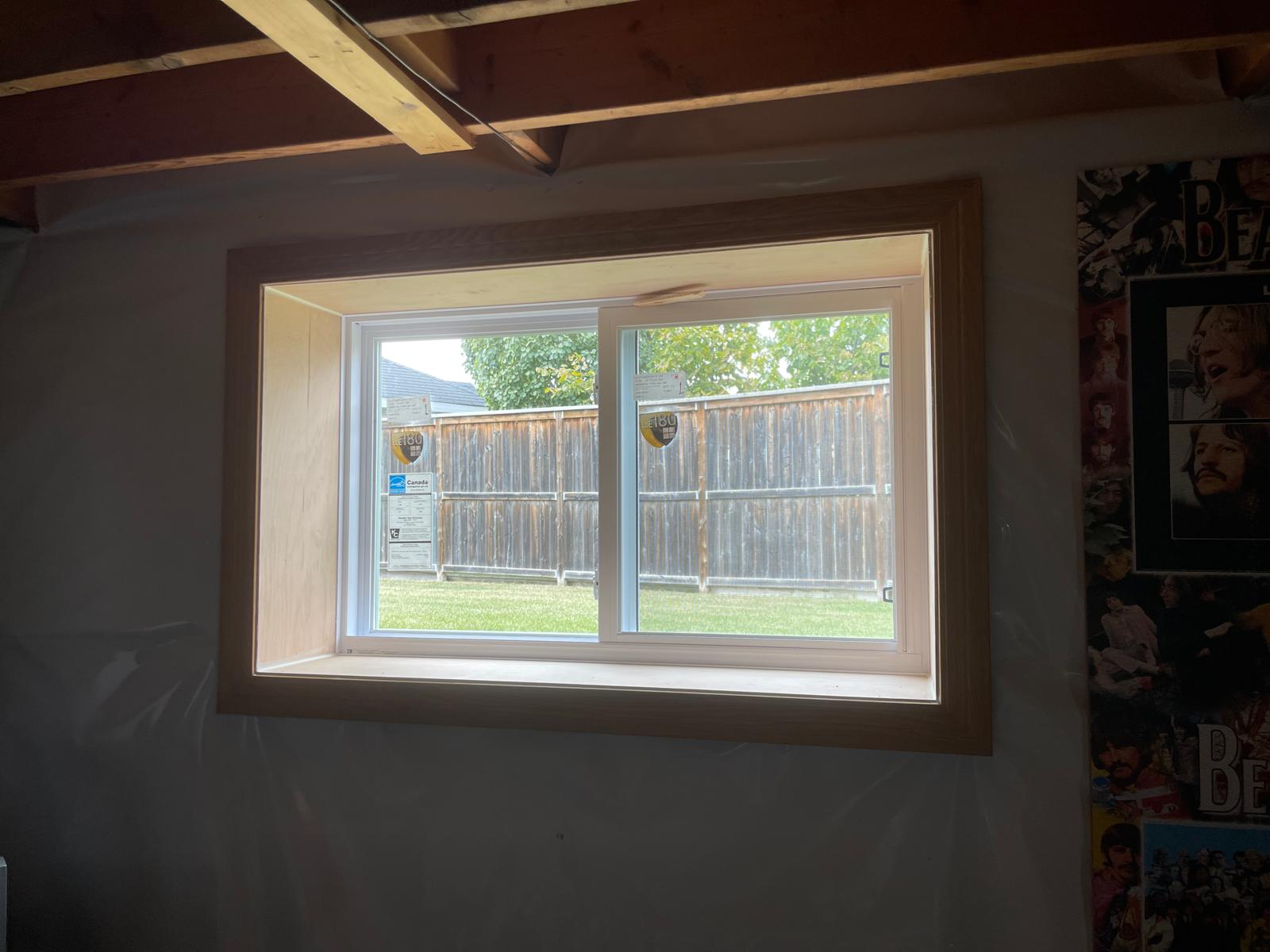
Basement windows often sit close to the ground and must handle moisture, insulation, and limited wall height. If your basement includes (or may include) a bedroom, building code requires an egress window – a window large enough to allow safe exit in an emergency. Choosing the right style is essential for safety, legality, and comfort.
Egress Requirements (What Homeowners Need to Know)
If your basement has a bedroom, at least one window must meet egress requirements. While local codes can vary, most follow these minimum standards:
- Minimum clear opening area: 5.7 sq ft (5.0 sq ft if at ground level)
- Minimum opening height: 24 inches
- Minimum opening width: 20 inches
- Maximum sill height: 44 inches from the floor
- Must open from the inside without keys or tools
Our team will always confirm local code requirements during planning to ensure your basement windows are fully compliant.
Recommended window styles:
- Casement Windows: One of the best options for basement egress. Casements open fully, making it easier to meet required opening sizes while offering excellent ventilation and energy efficiency.
- Sliding Windows: A strong choice for wider basement openings. Sliding windows can be sized to meet egress requirements and work well where vertical wall space is limited.
- Awning Windows: Ideal for basements where egress is not required. Their horizontal shape fits shorter openings and allows ventilation while helping keep rain out.
- Picture Windows: Best used in basements where ventilation and egress are not needed. Picture windows maximize light and energy efficiency, but cannot be used as egress windows.
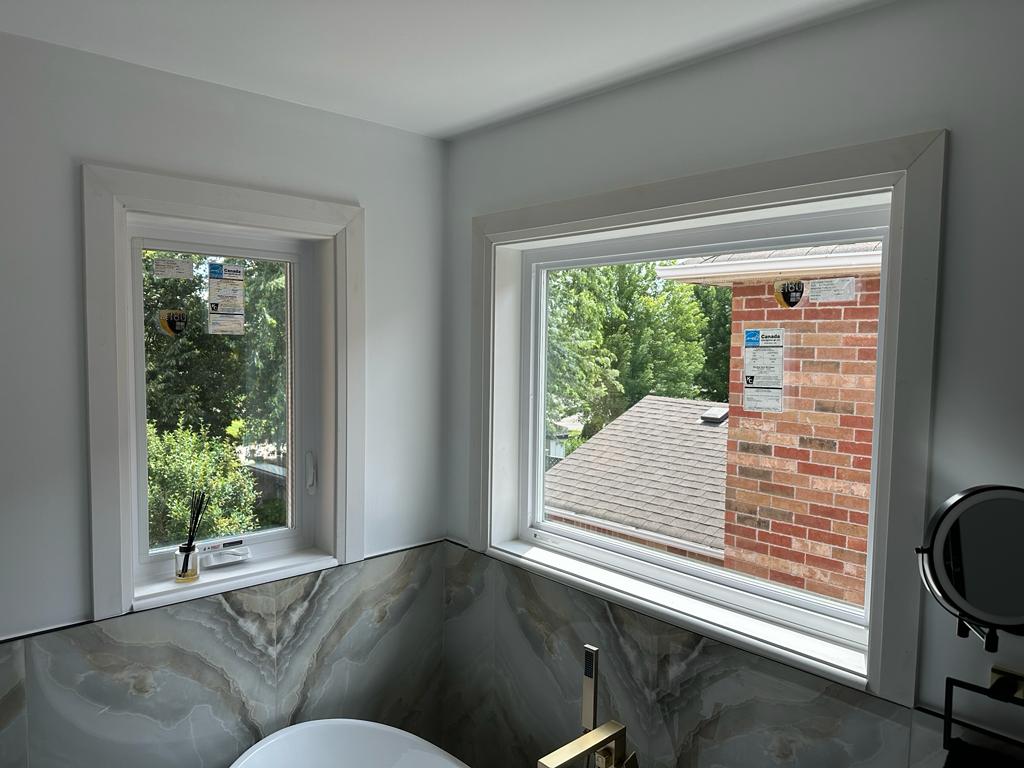
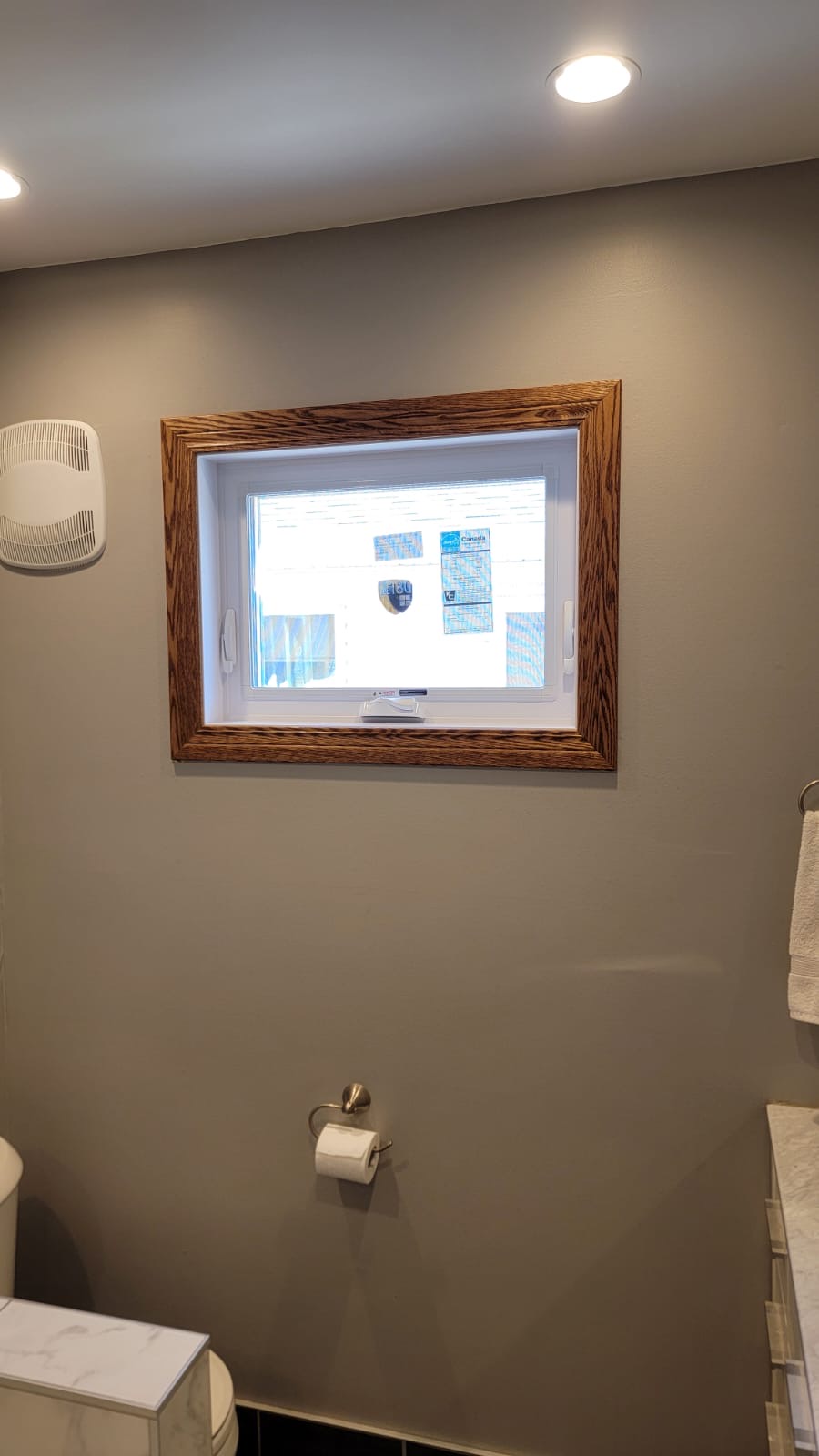
Bathrooms generate humidity. Your window needs to vent moisture, protect privacy, and resist condensation – all while letting in natural light.
Recommended window styles:
- Awning Windows: The most popular bathroom choice. They can be left open in light rain, provide steady airflow, and maintain privacy when paired with frosted or privacy glass.
- Casement Windows: Excellent for ventilation and energy efficiency. Best suited for larger bathrooms where privacy isn’t compromised when the window is open.
- Sliding Windows: A practical replacement option where space or budget is a concern. Easy to operate and improved with upgrades like Low-E coatings to reduce condensation.
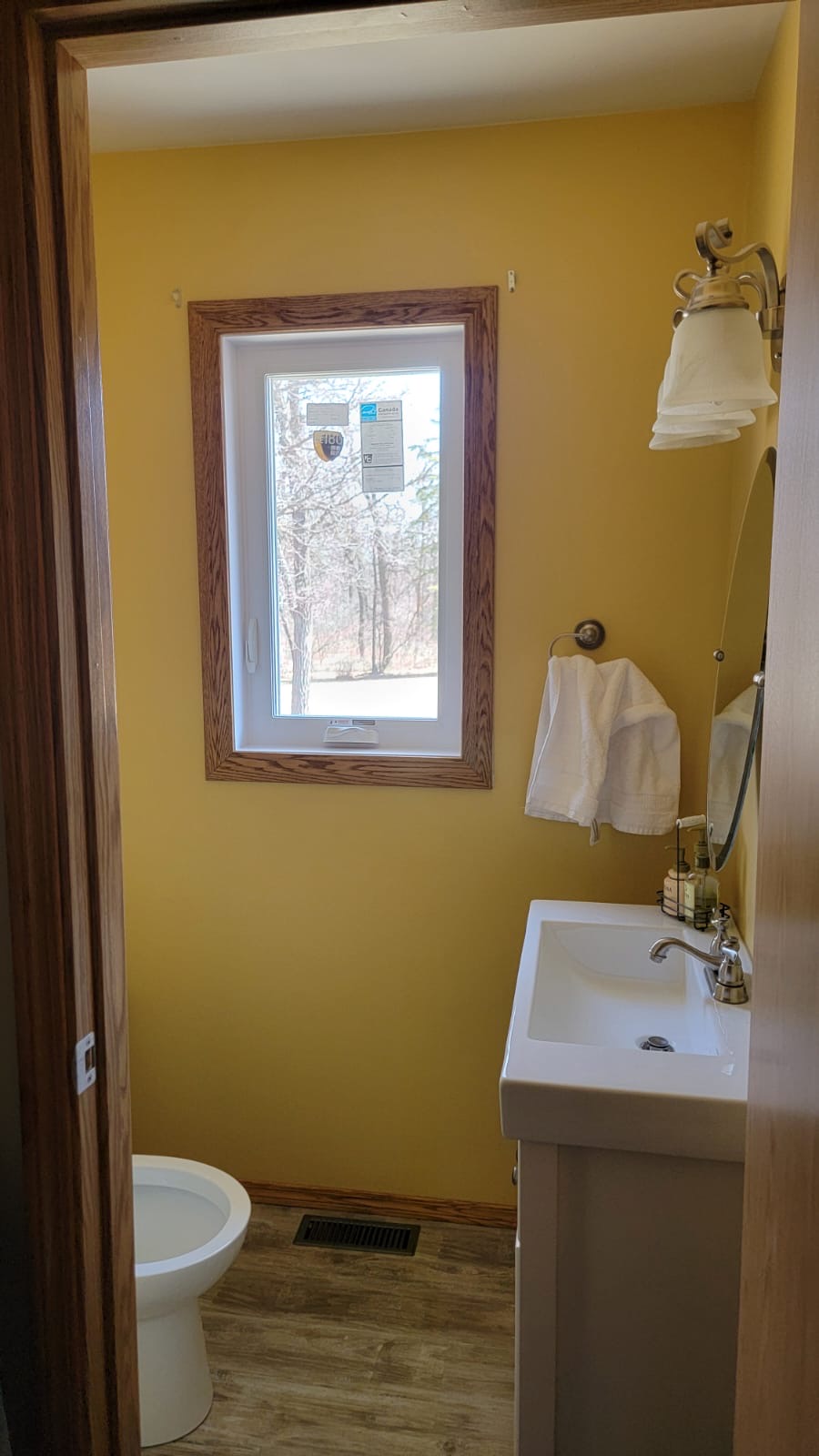
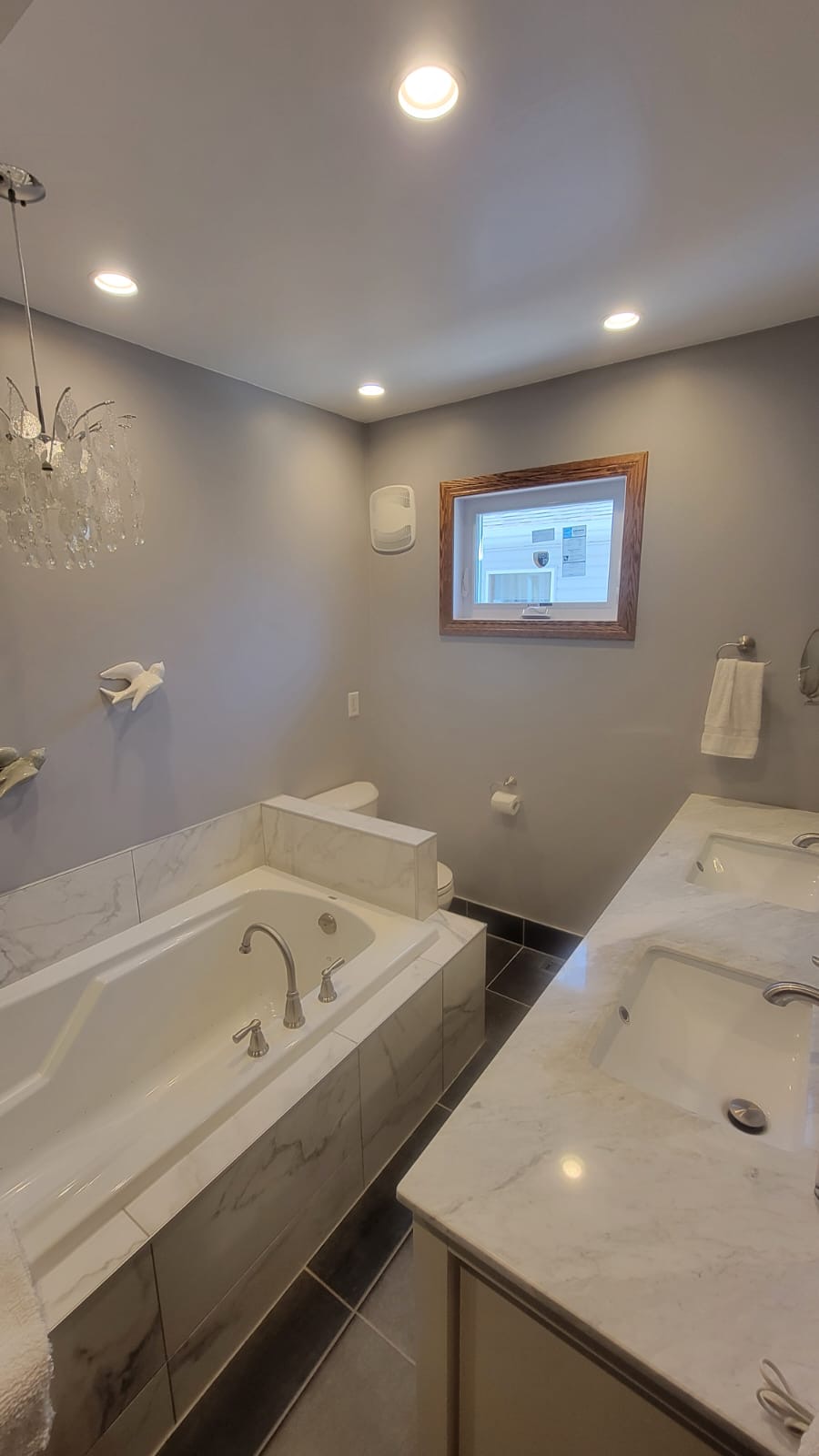
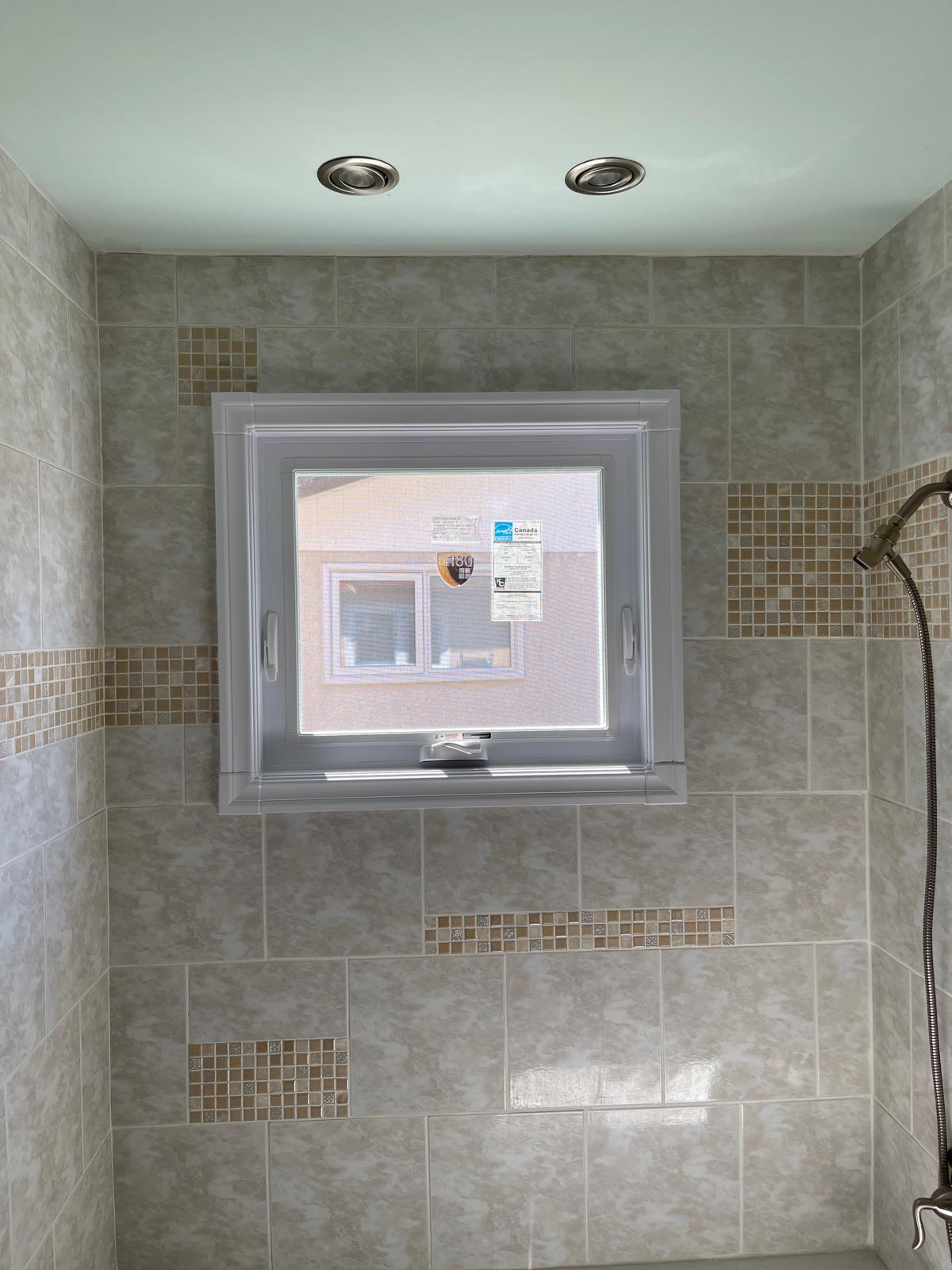
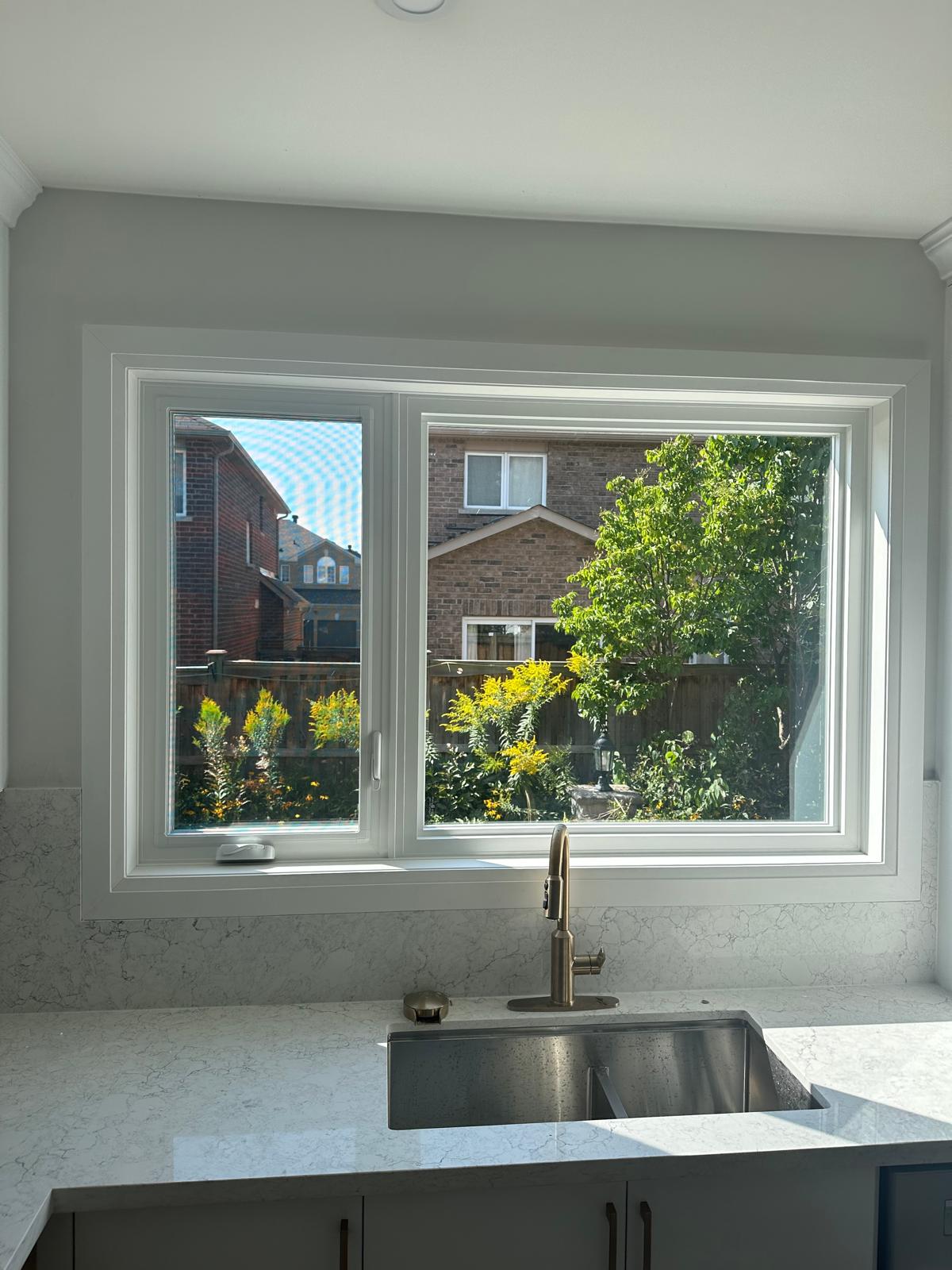
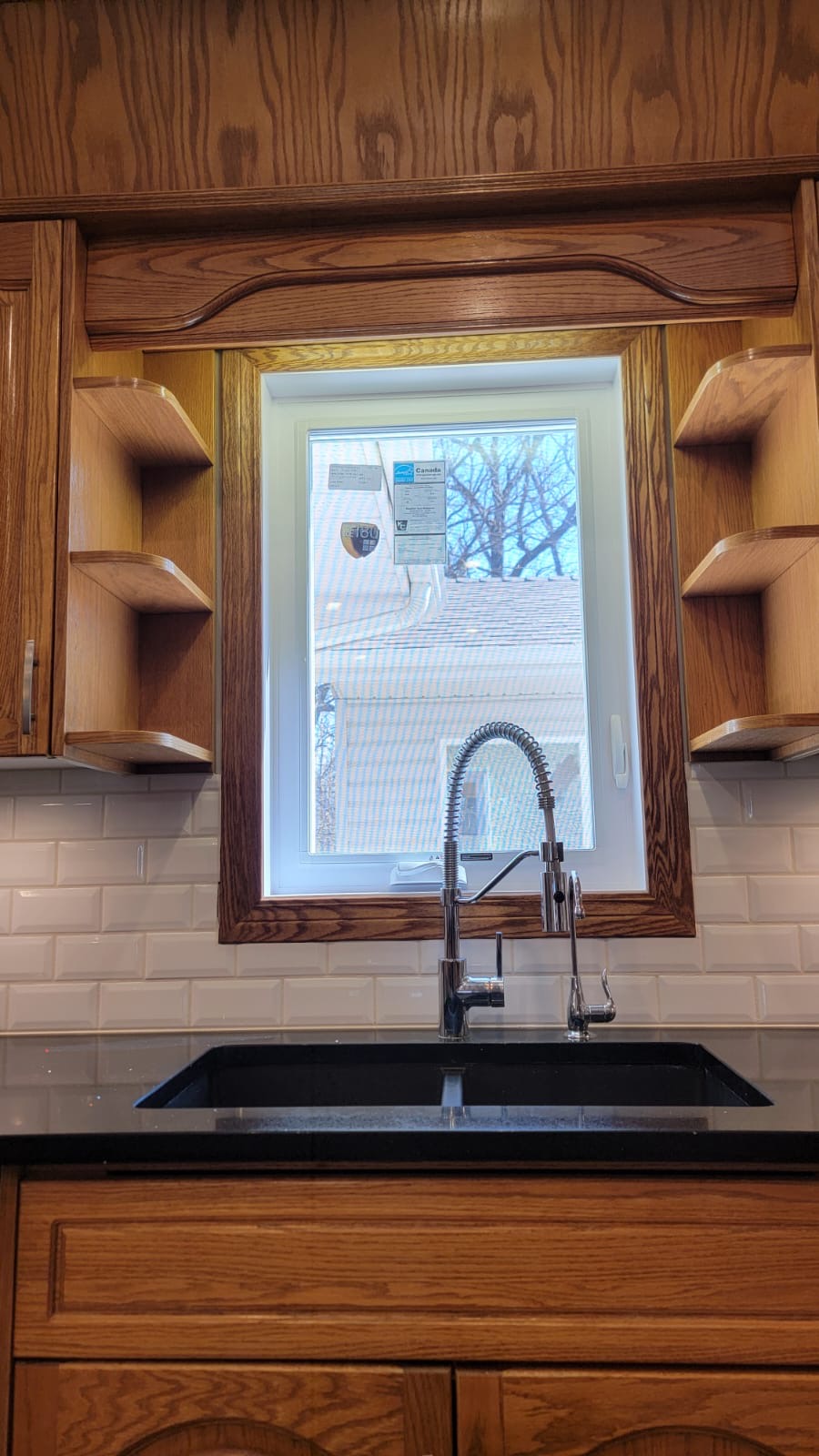
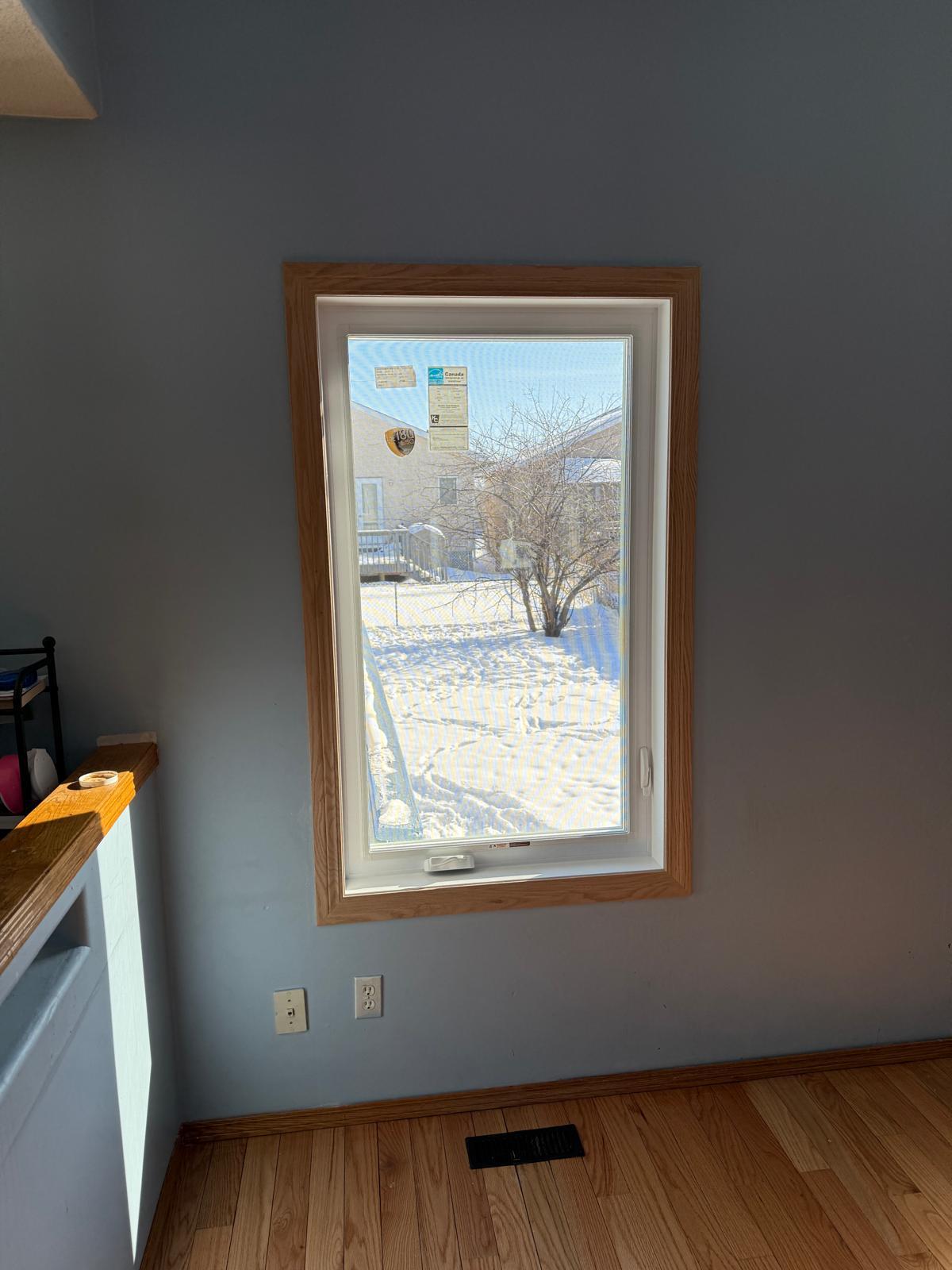
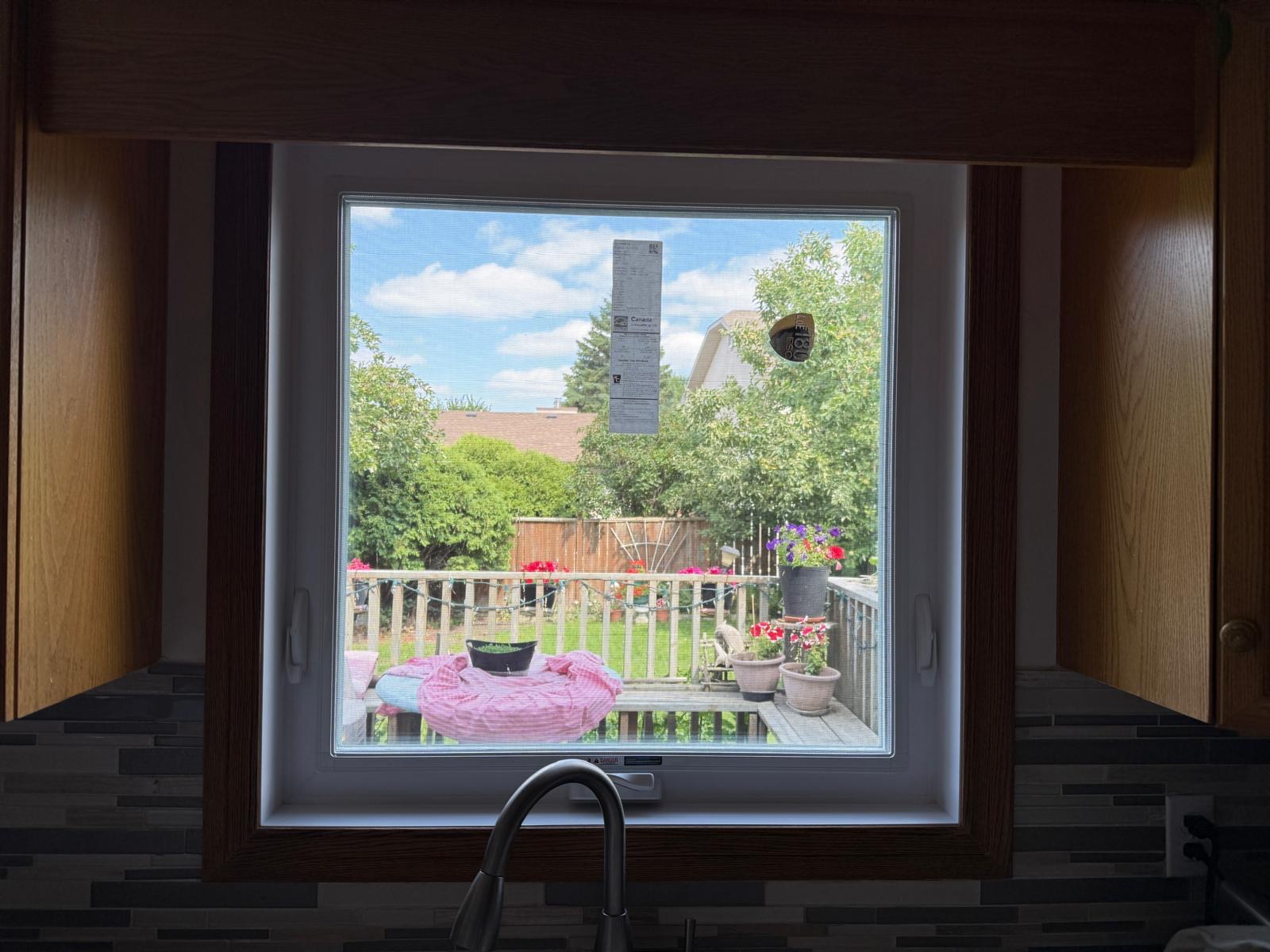
Kitchen windows should be easy to use, allow ventilation for cooking heat and odours, and bring in natural light – often from hard-to-reach spots like above the sink.
Recommended window styles:
- Sliding Windows: Perfect above sinks and counters. They’re easy to open, low maintenance, and don’t interfere with interior or exterior space.
- Casement Windows: Ideal when maximum airflow is needed. Casements open fully and are very energy efficient, making them great for busy kitchens.
- Awning Windows: A smart option when ventilation is needed year-round. They allow airflow even during rain and pair well with fixed windows for added light.
- Picture or Bay Windows: Best for larger kitchens where light and visual impact matter. These styles brighten the space and create a more open, inviting feel.
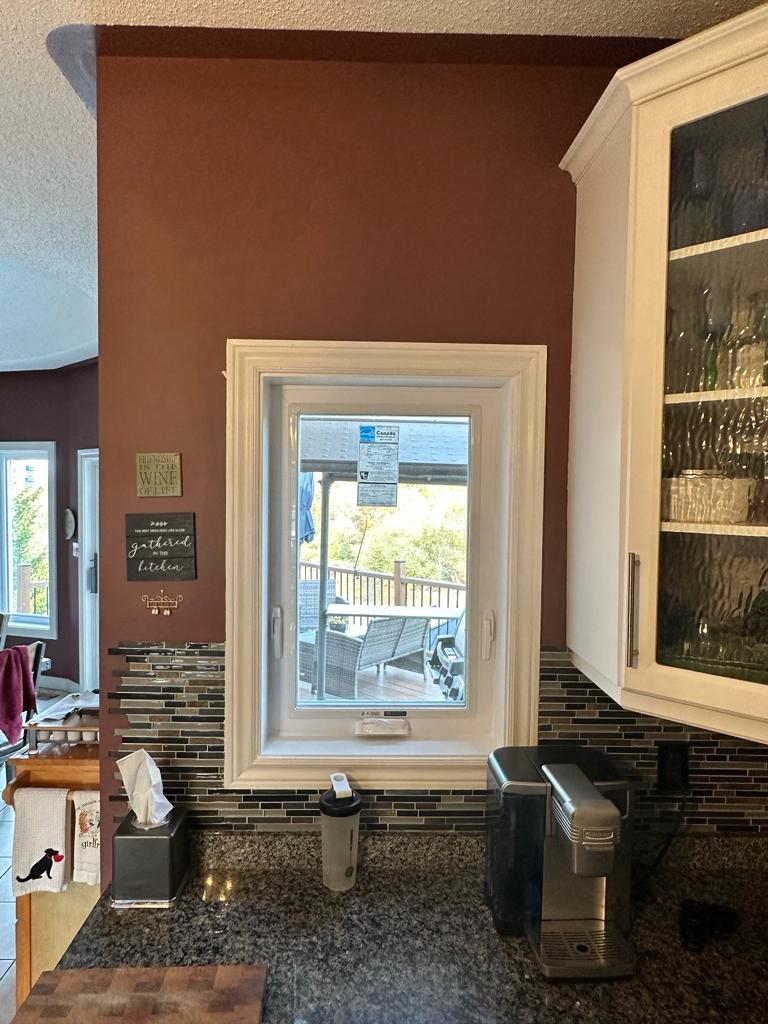
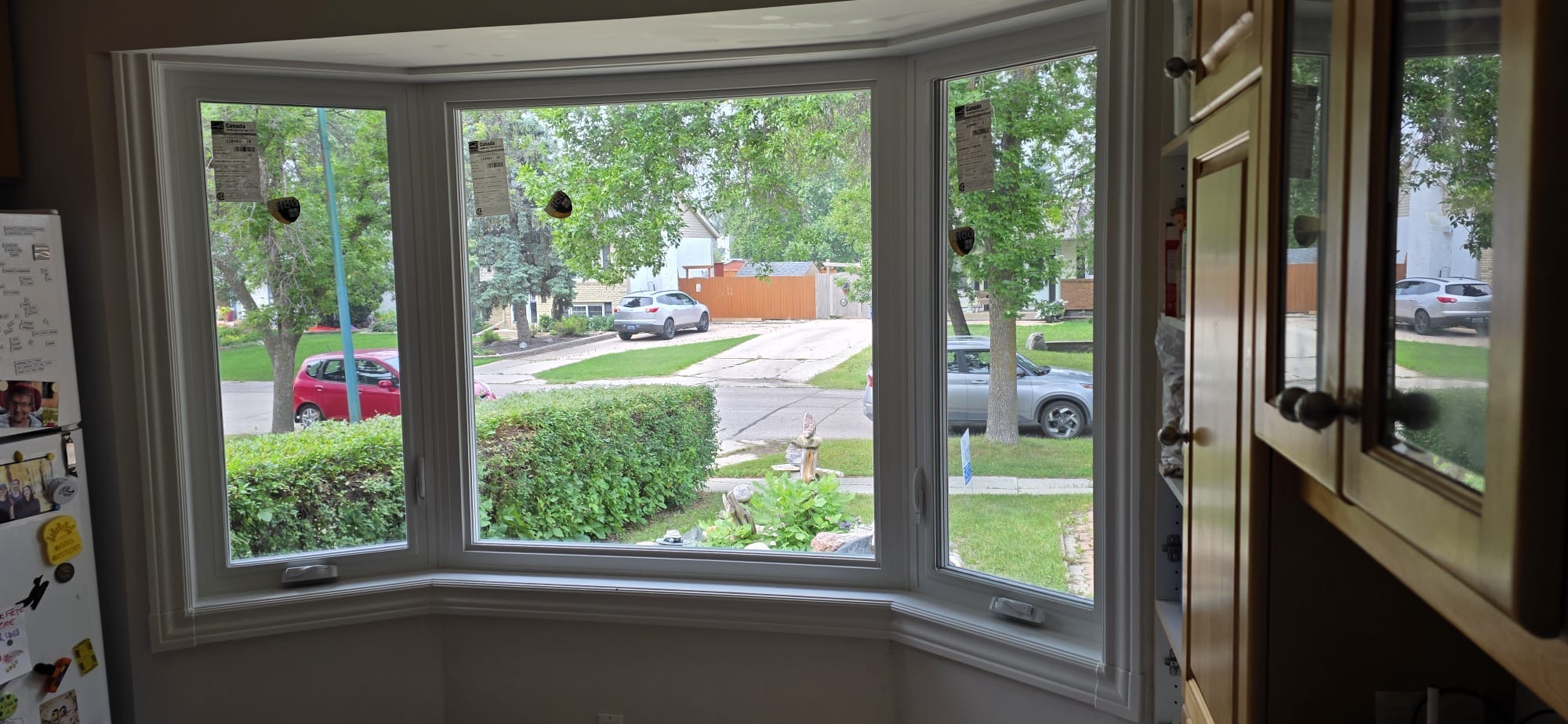
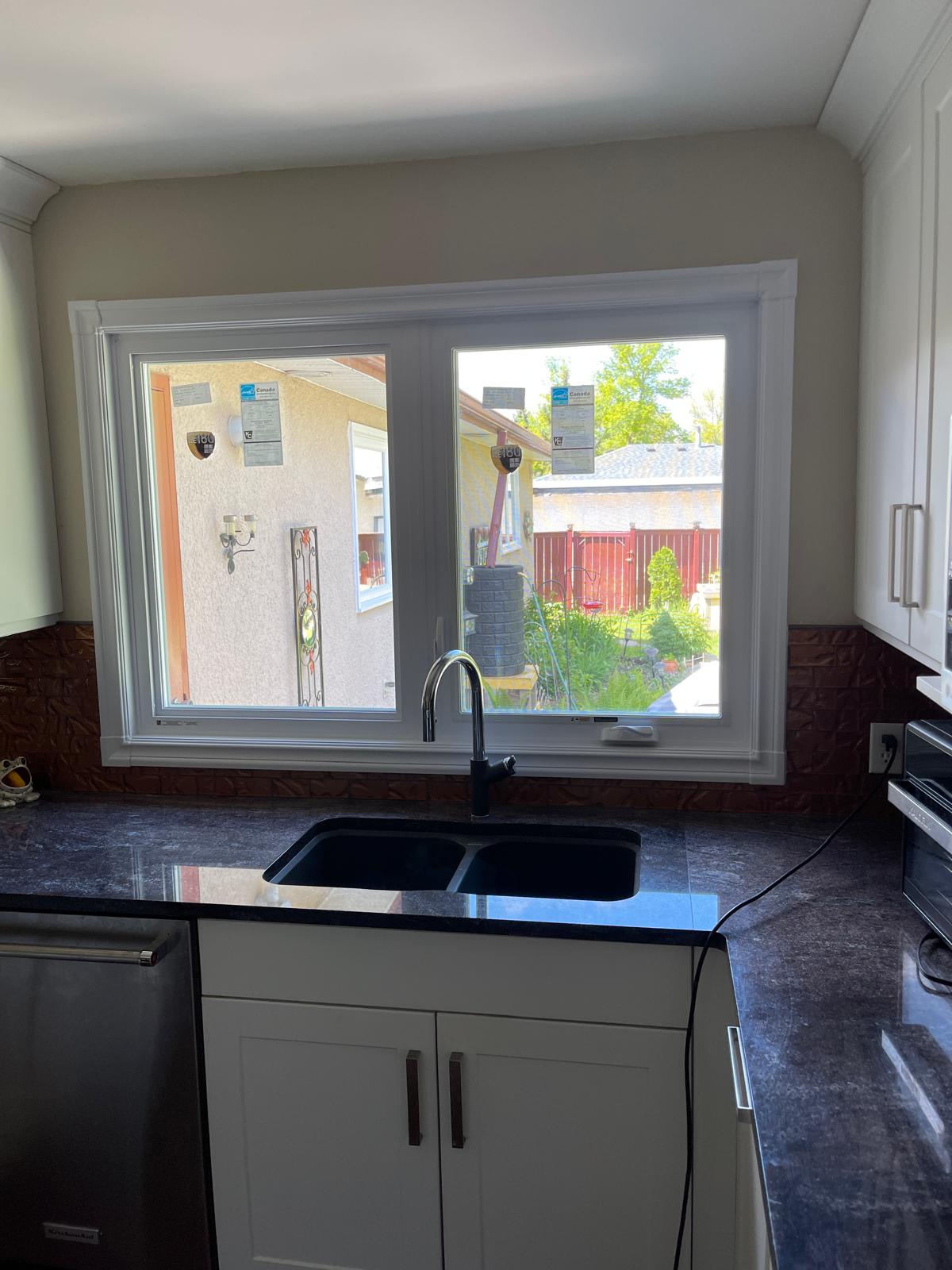
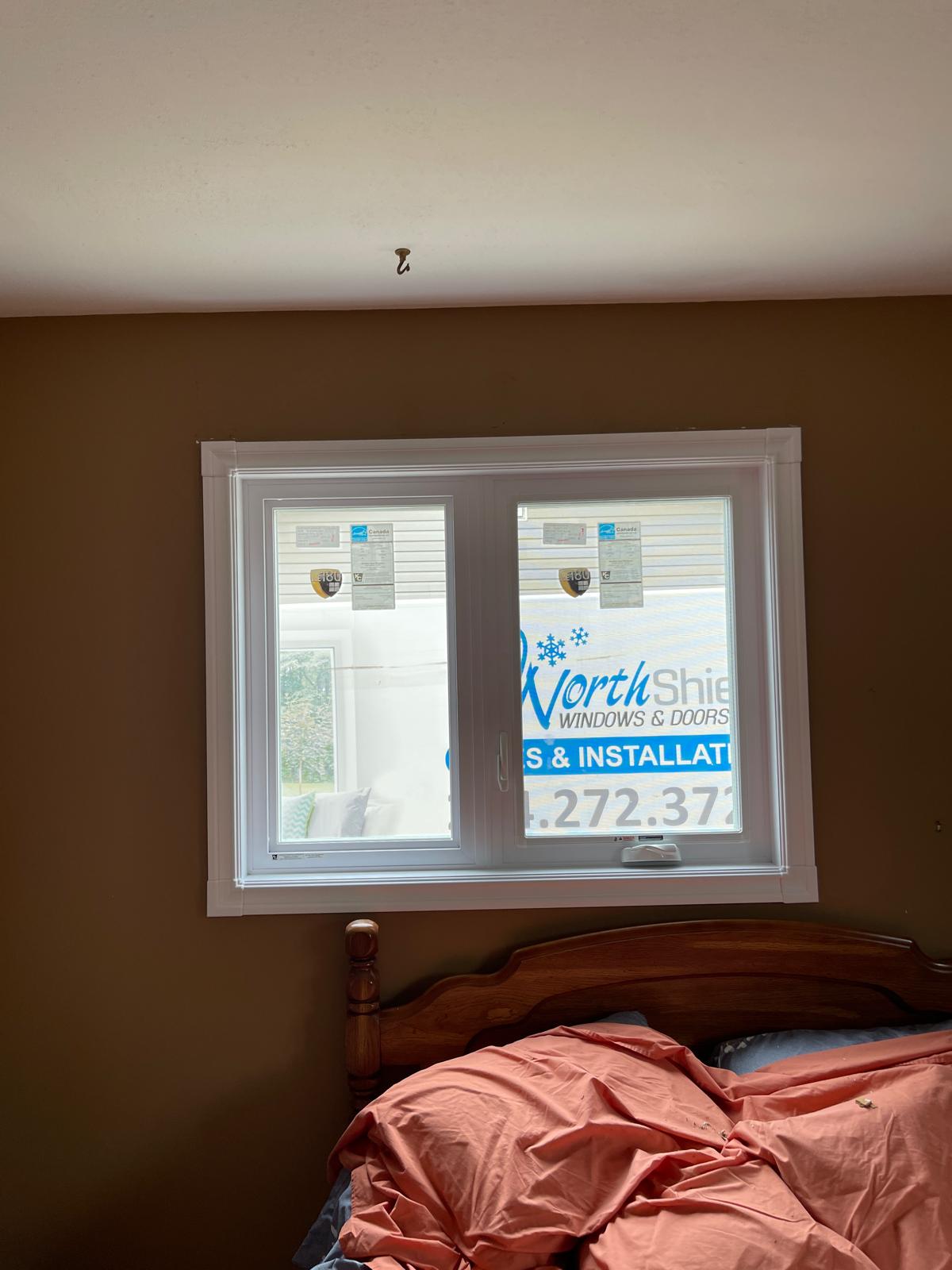
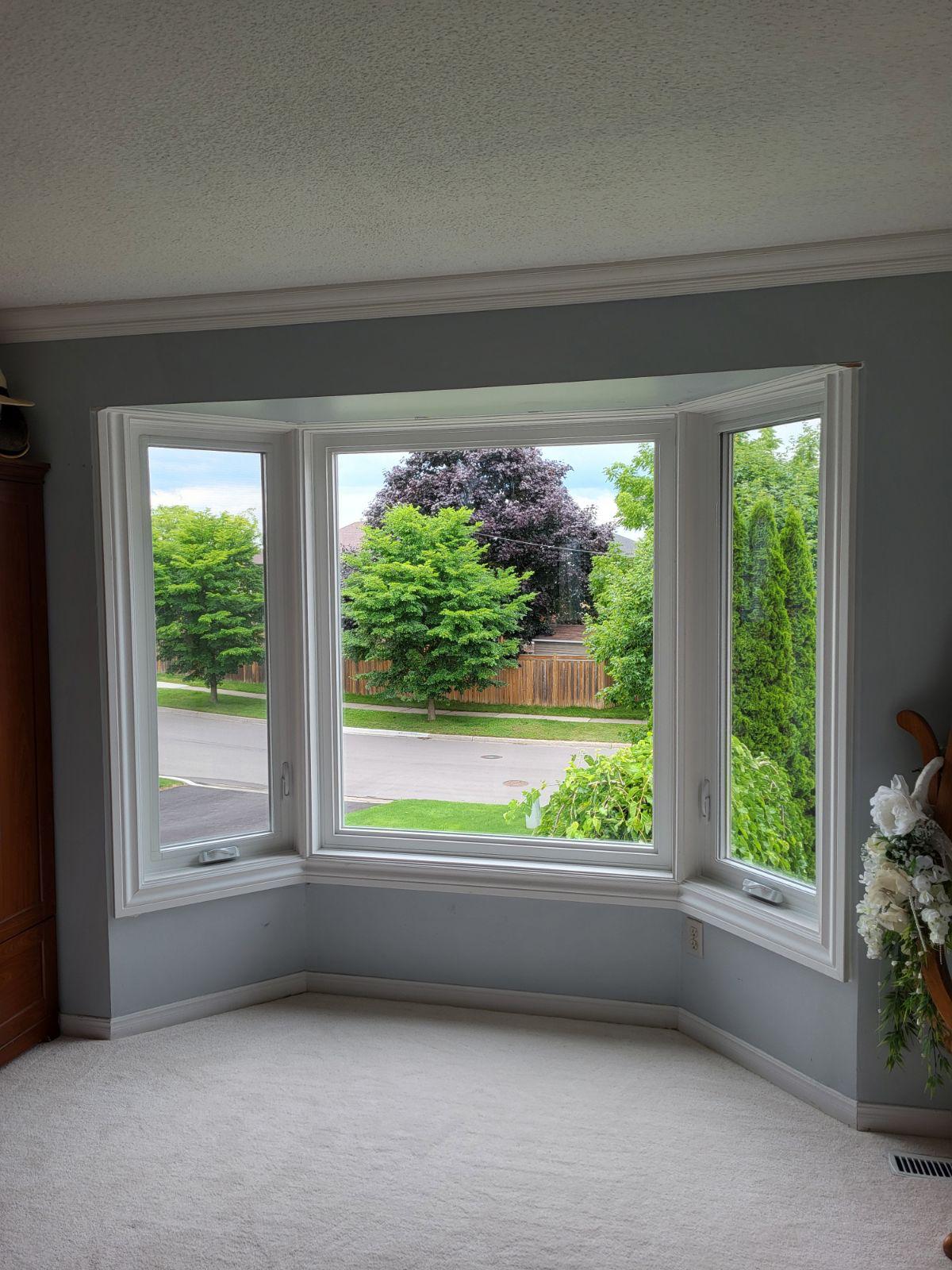
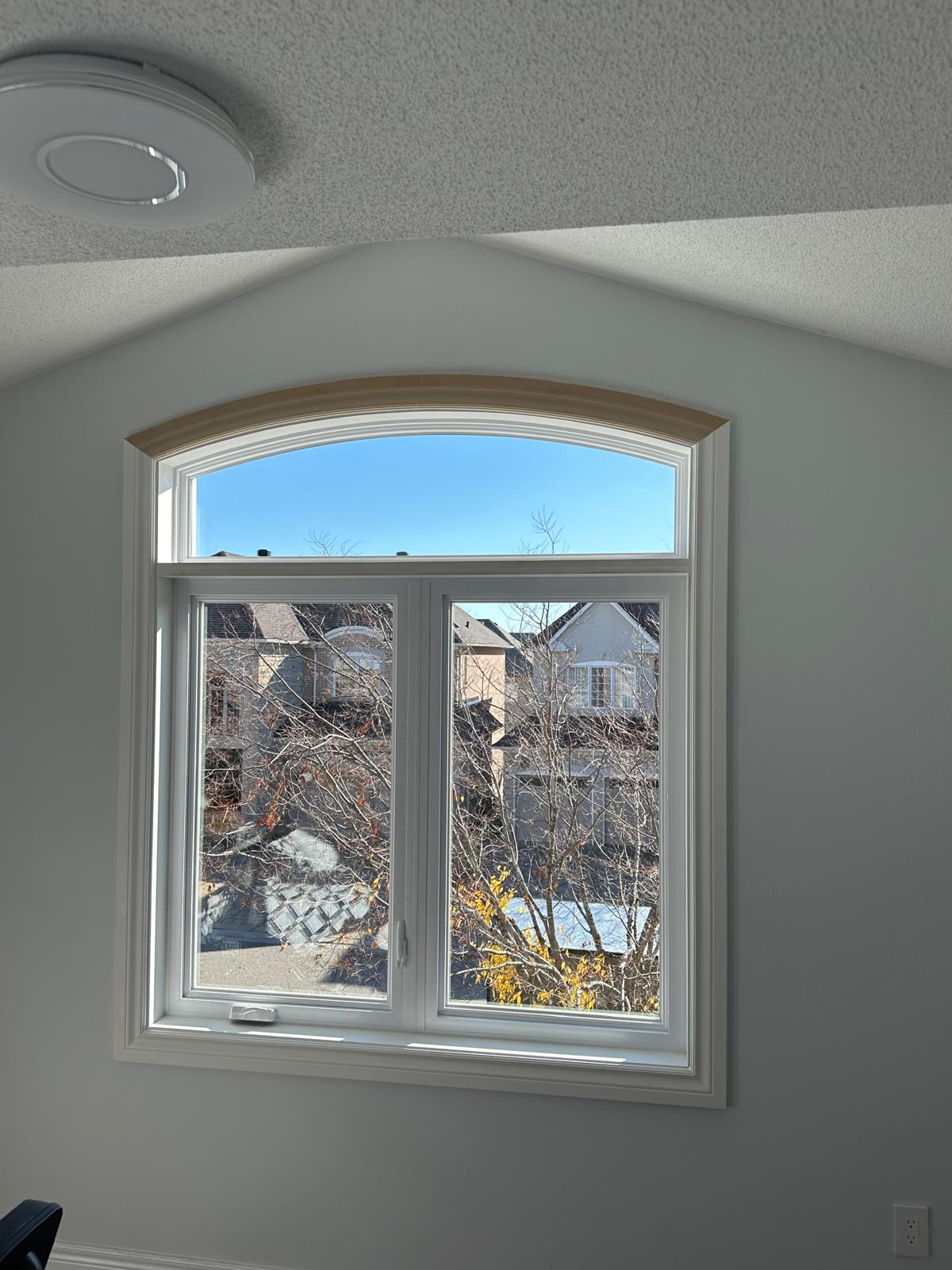
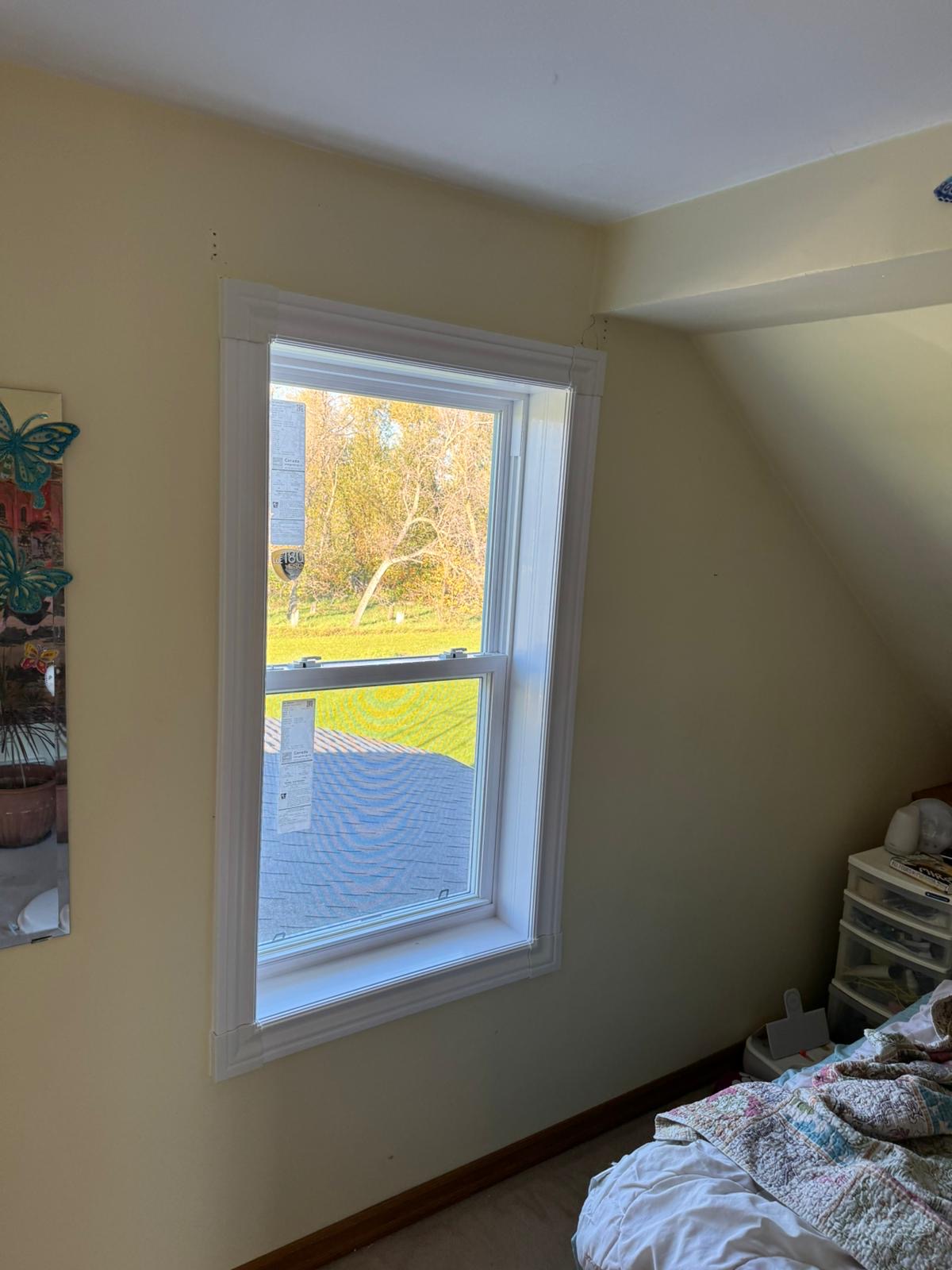
Bedrooms should feel calm, comfortable, and well-ventilated. Windows here need to balance natural light, privacy, insulation, and safety, including egress requirements.
Recommended window styles:
- Casement Windows: Excellent for airflow and energy efficiency. Easy to open and commonly used to meet egress requirements in bedrooms.
- Double-Hung Windows: A classic option that allows flexible ventilation from the top or bottom, making them ideal for privacy and airflow control.
- Awning Windows: Often placed higher on the wall for privacy. They provide ventilation without sacrificing security or weather protection.
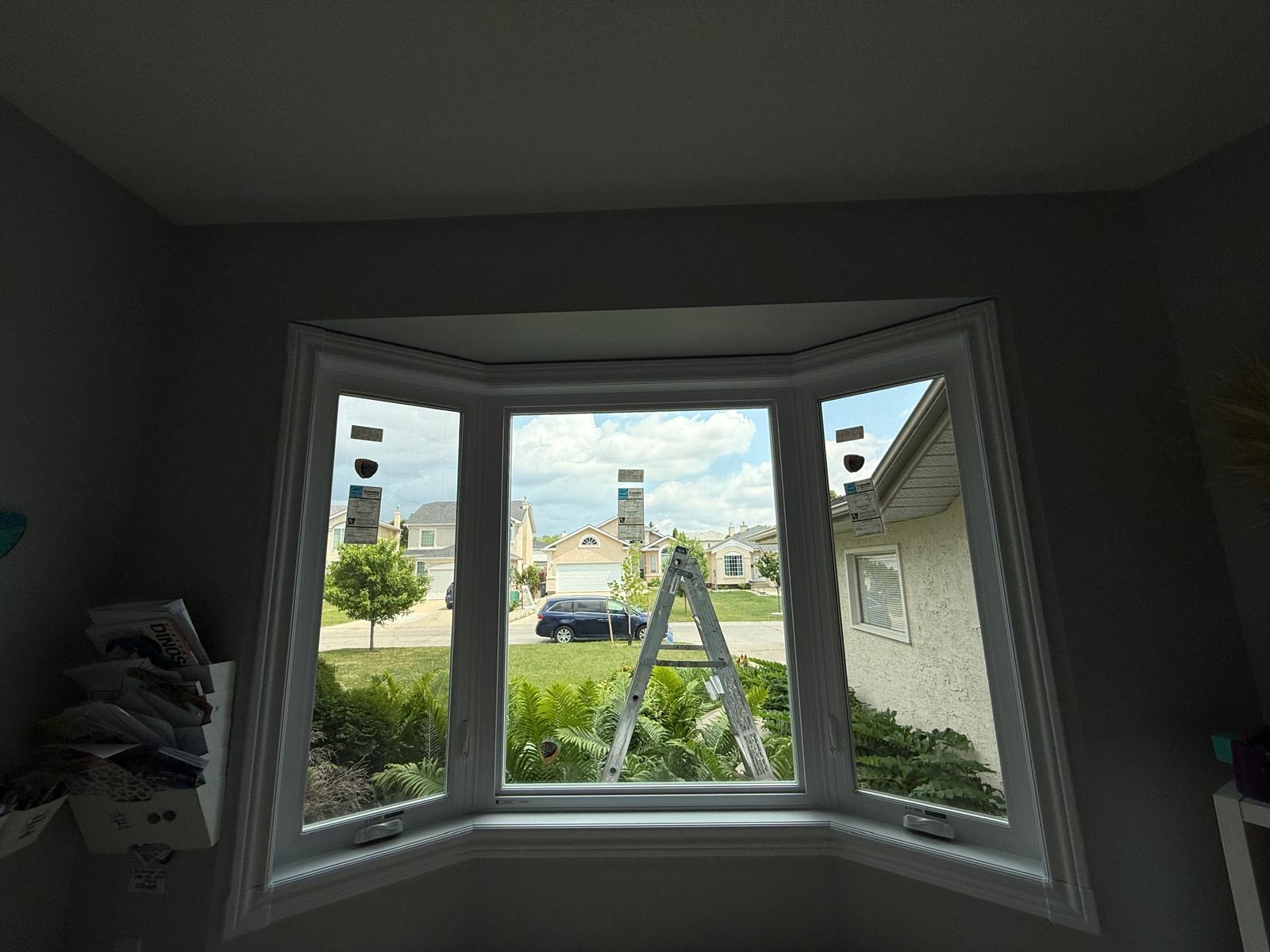
- Bay Windows: A great way to add character, light, and a sense of space — especially in smaller bedrooms.
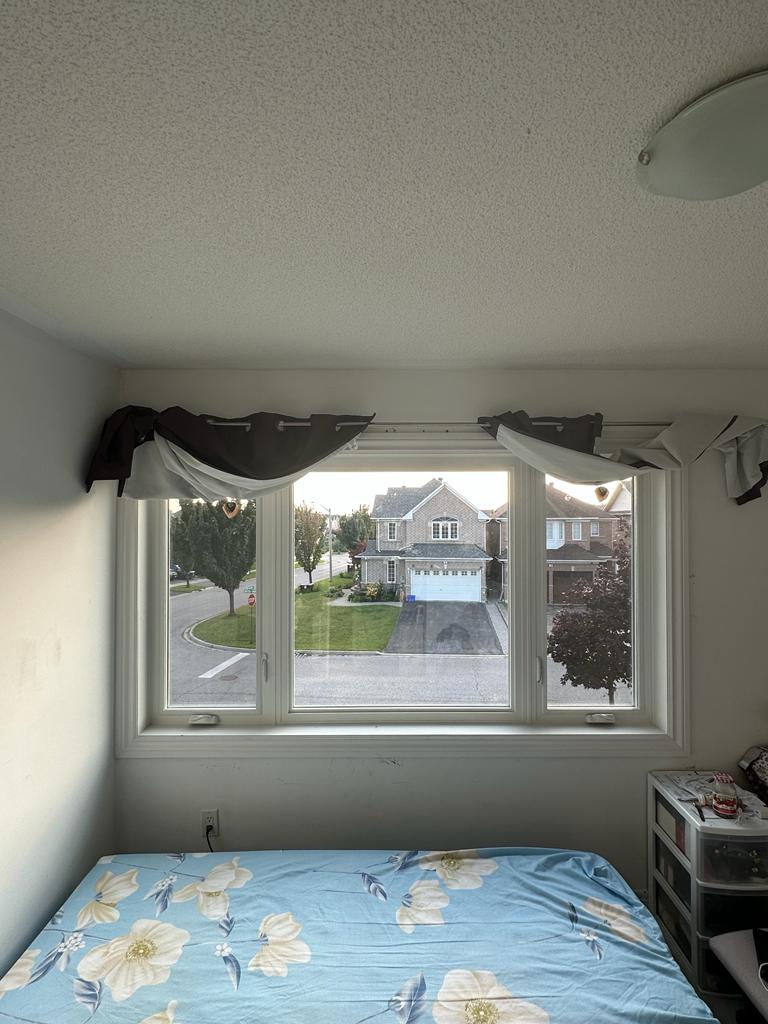
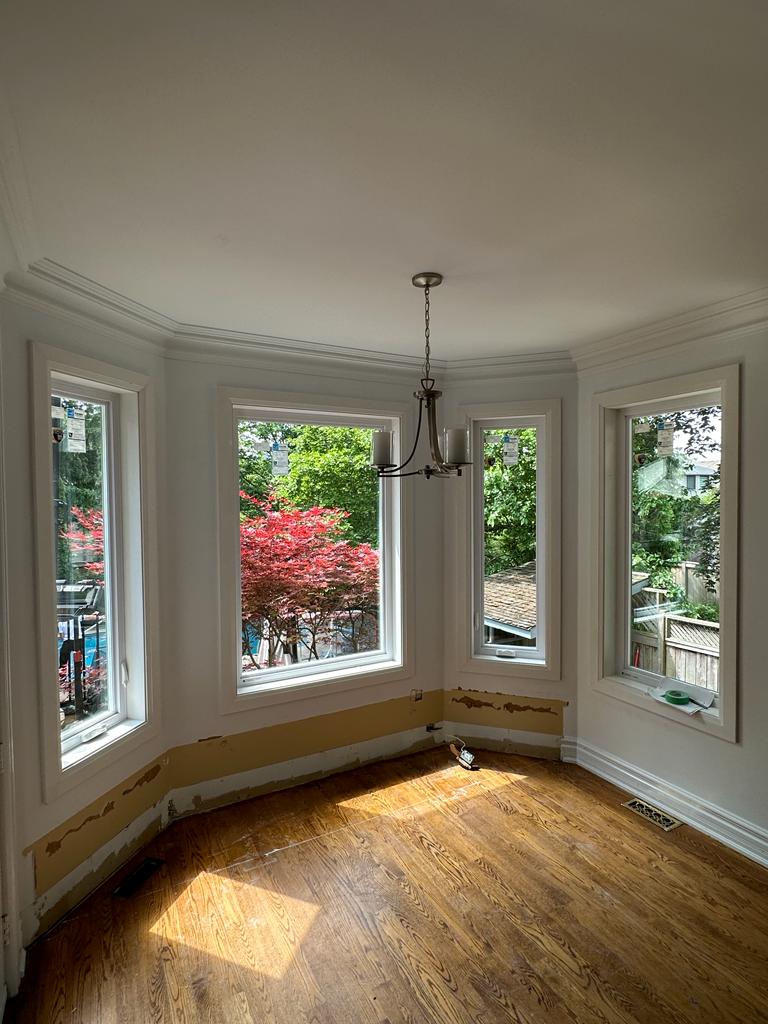
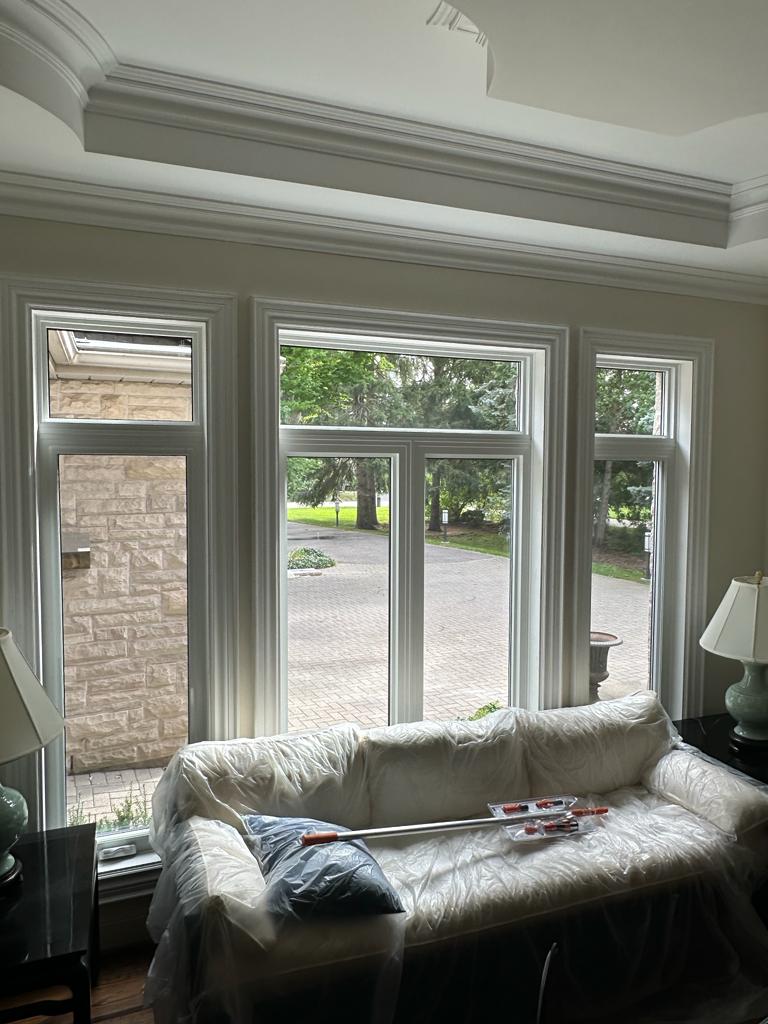
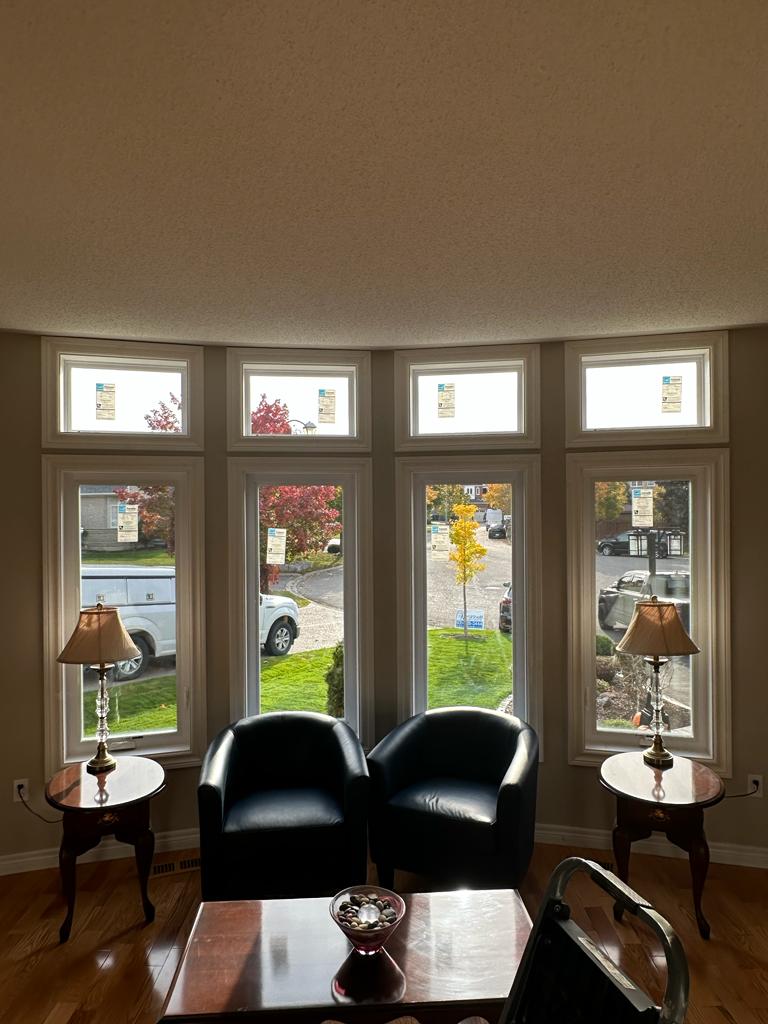
Living rooms typically feature the largest windows in the home. The goal is to maximize light and views while keeping energy efficiency and comfort in check.
Recommended window styles:
- Picture Windows: Perfect for unobstructed views and natural light. Their fixed design makes them extremely energy efficient.
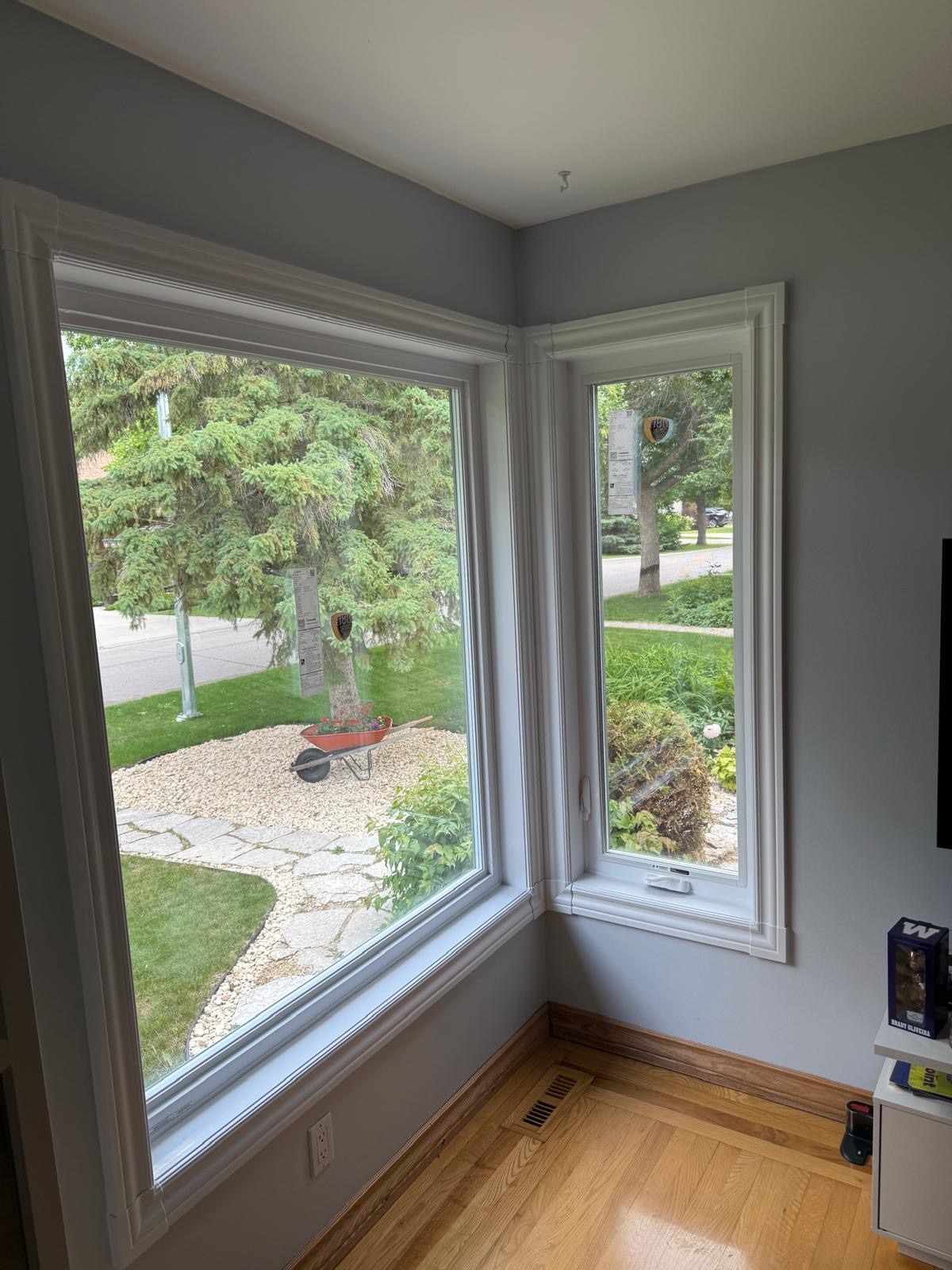
- Casement Windows: Often paired with picture windows to add ventilation without disrupting the view.
- Bay or Bow Windows: Ideal for creating architectural interest, extra interior space, and a dramatic focal point at the front of the home.
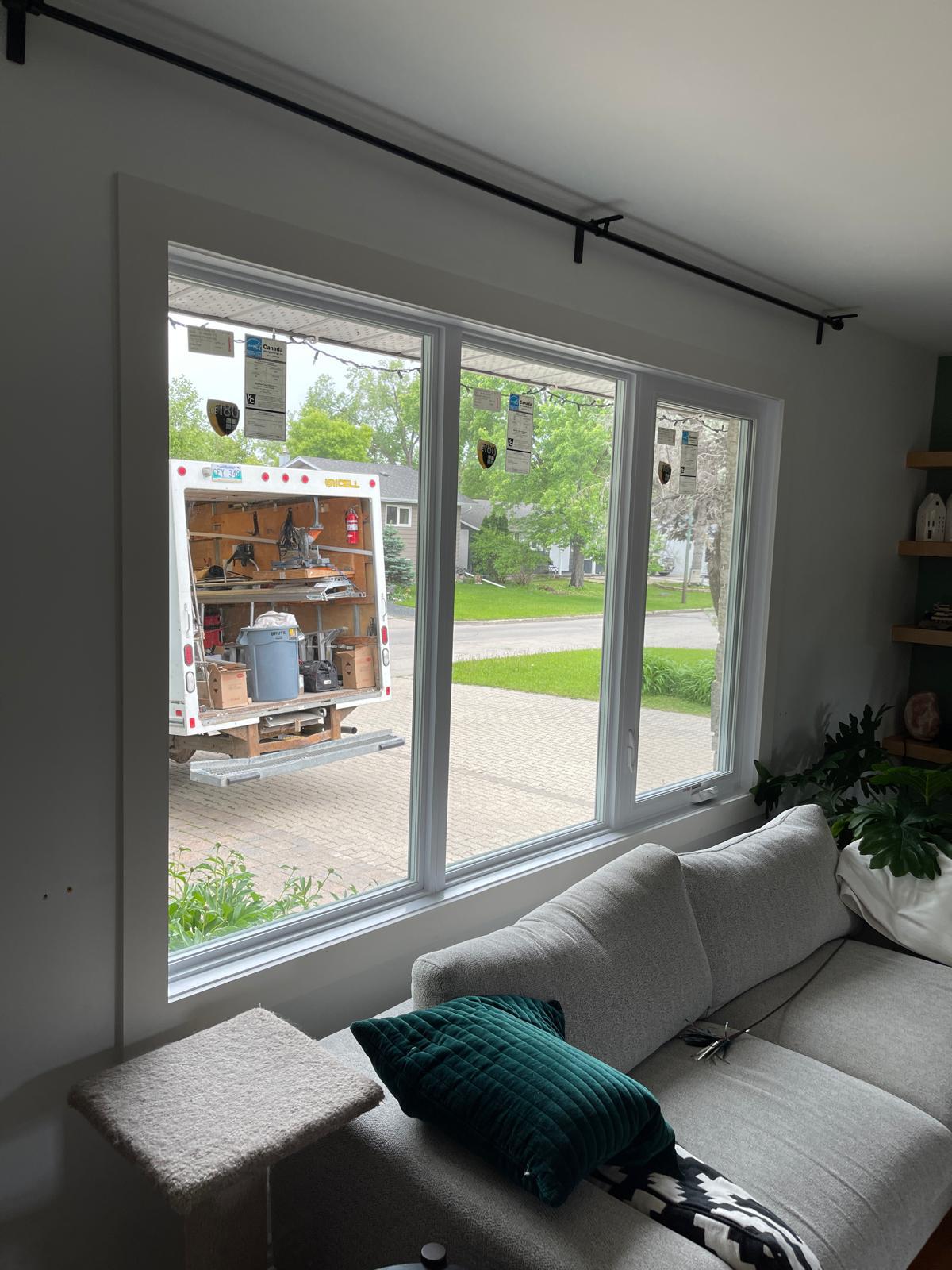
- Combination Windows: Mixing fixed and operable units gives you the best balance of light, airflow, and energy performance.
Dining rooms are about atmosphere. Windows should enhance light, views, and style while fitting the overall design of your home.
Recommended window styles:
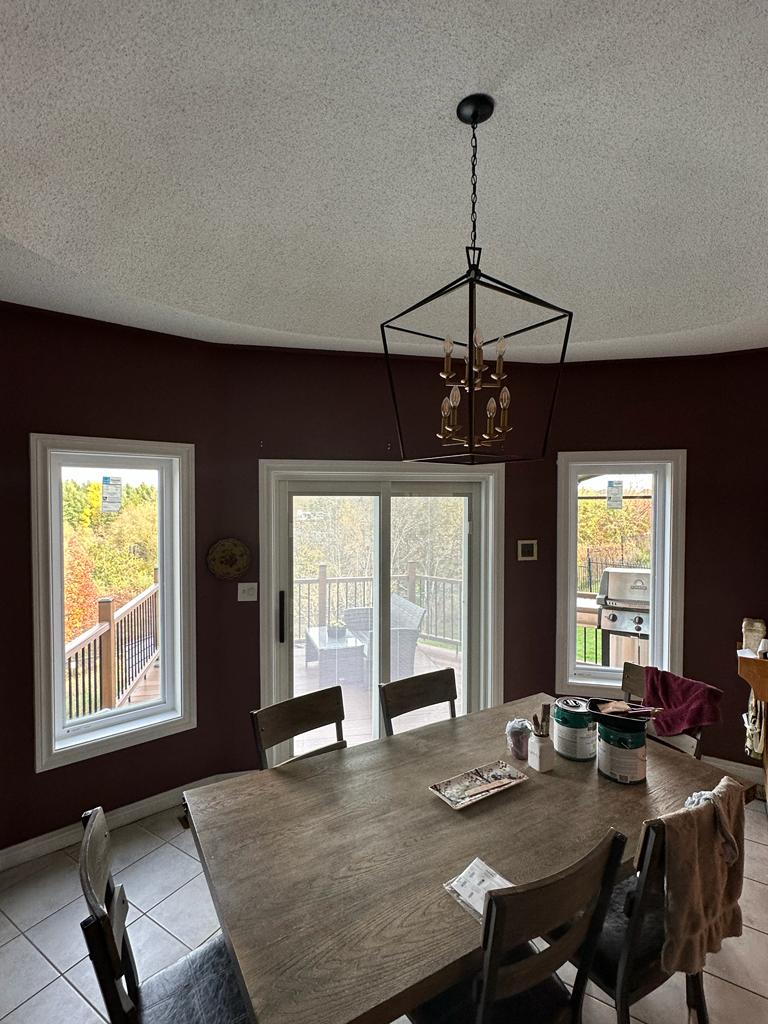
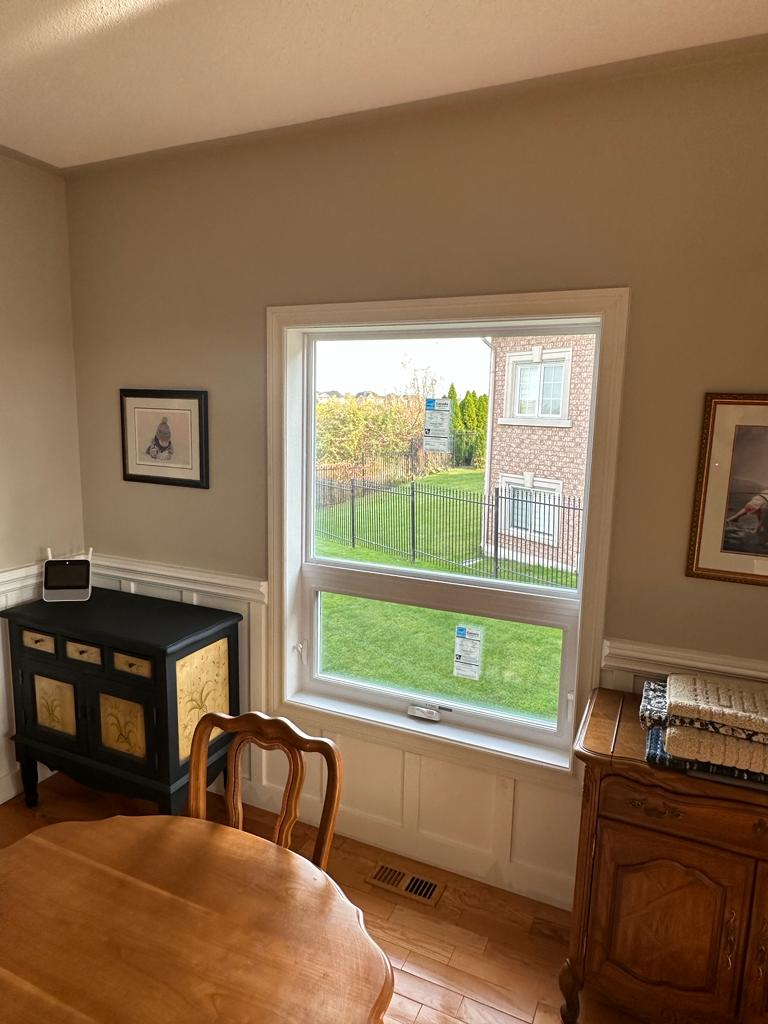
- Picture Windows: A popular choice for dining rooms with great views. They flood the space with natural light and create a clean, elegant look.
- Casement Windows: Ideal when you want to open the room up for airflow during gatherings while keeping a clear, unobstructed view.
- Bay and Bow Windows: Perfect for creating a bright, open dining area with added depth and architectural appeal. These styles also work well with custom grilles and frame colours.
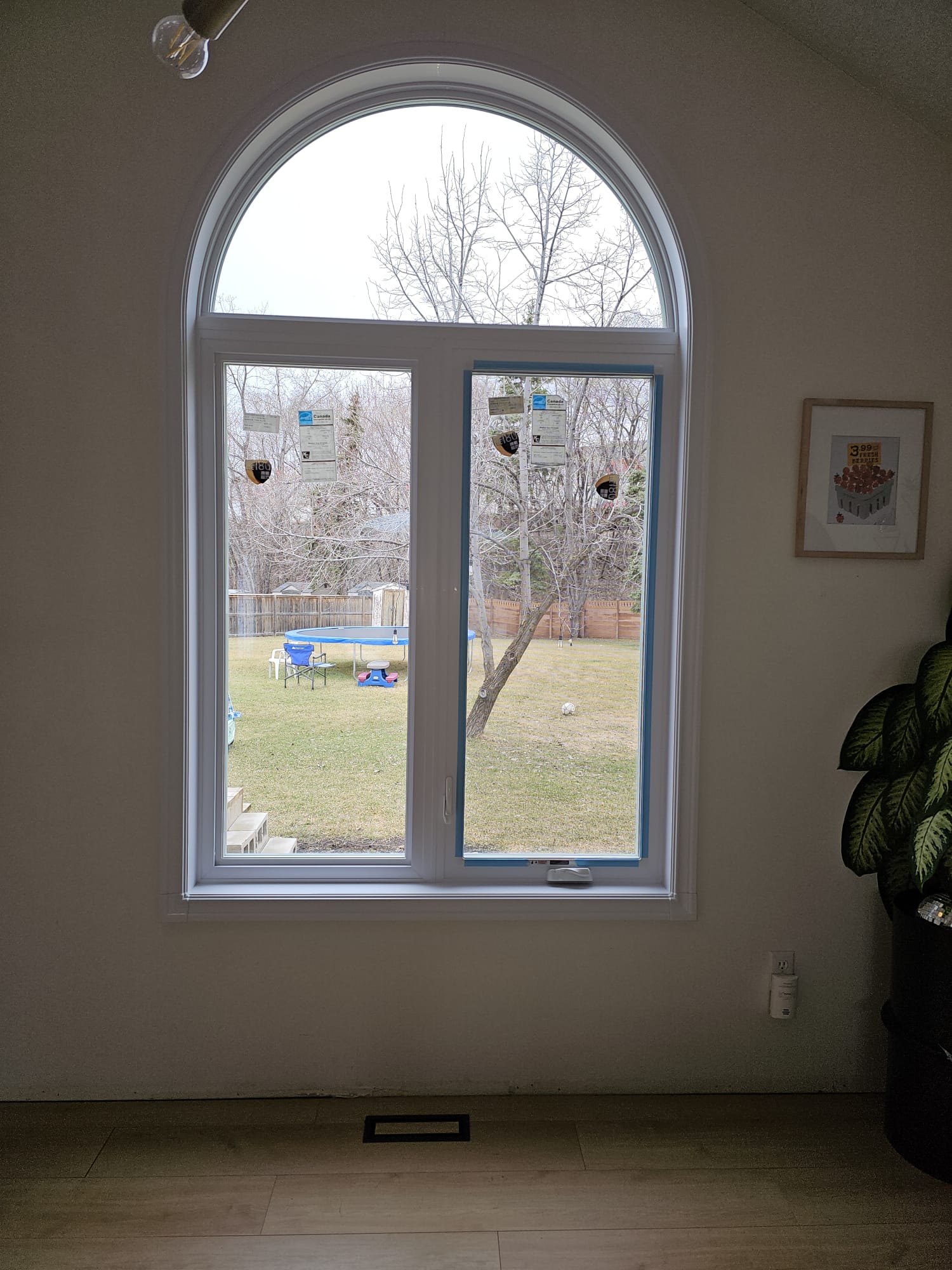
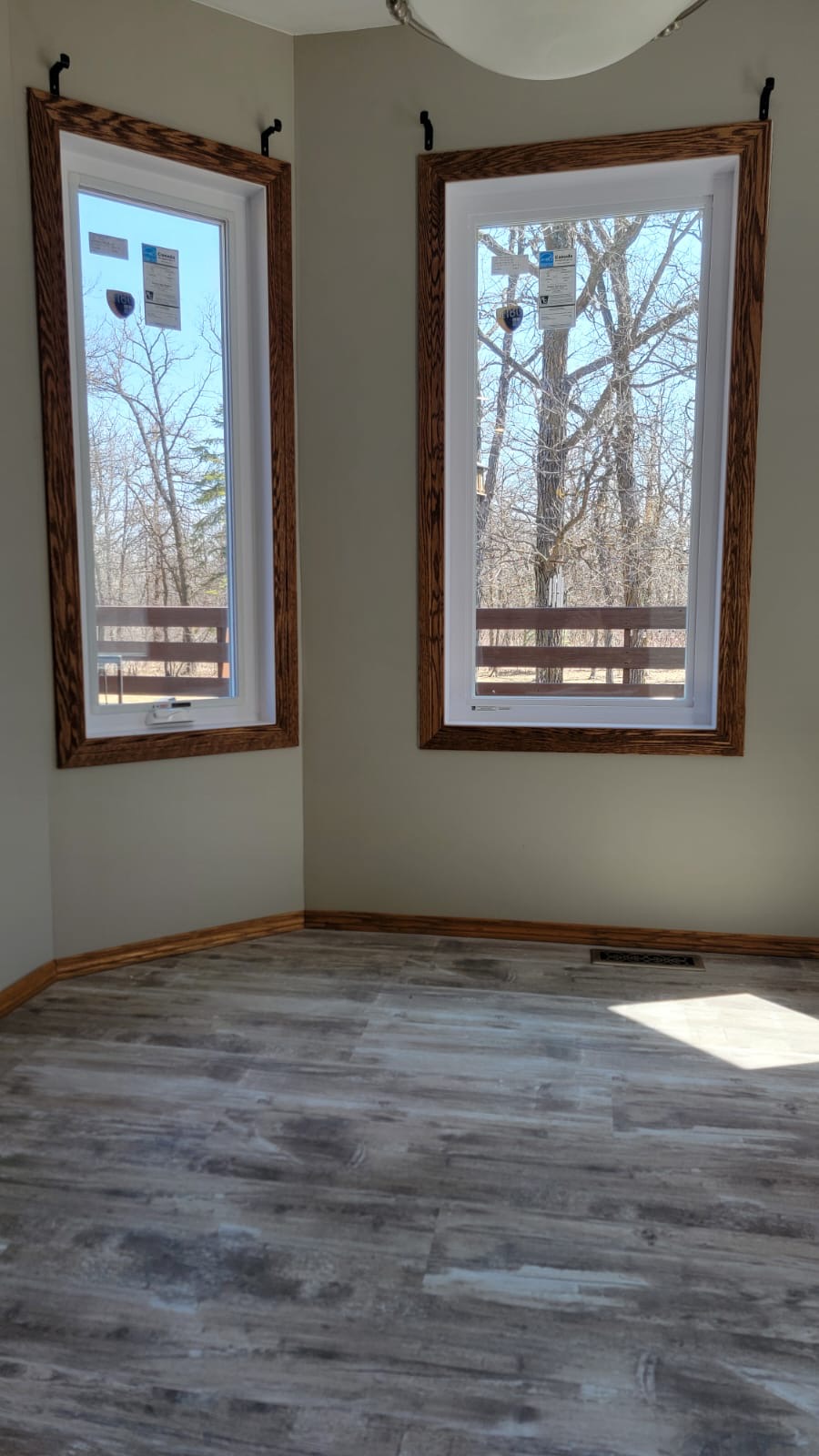
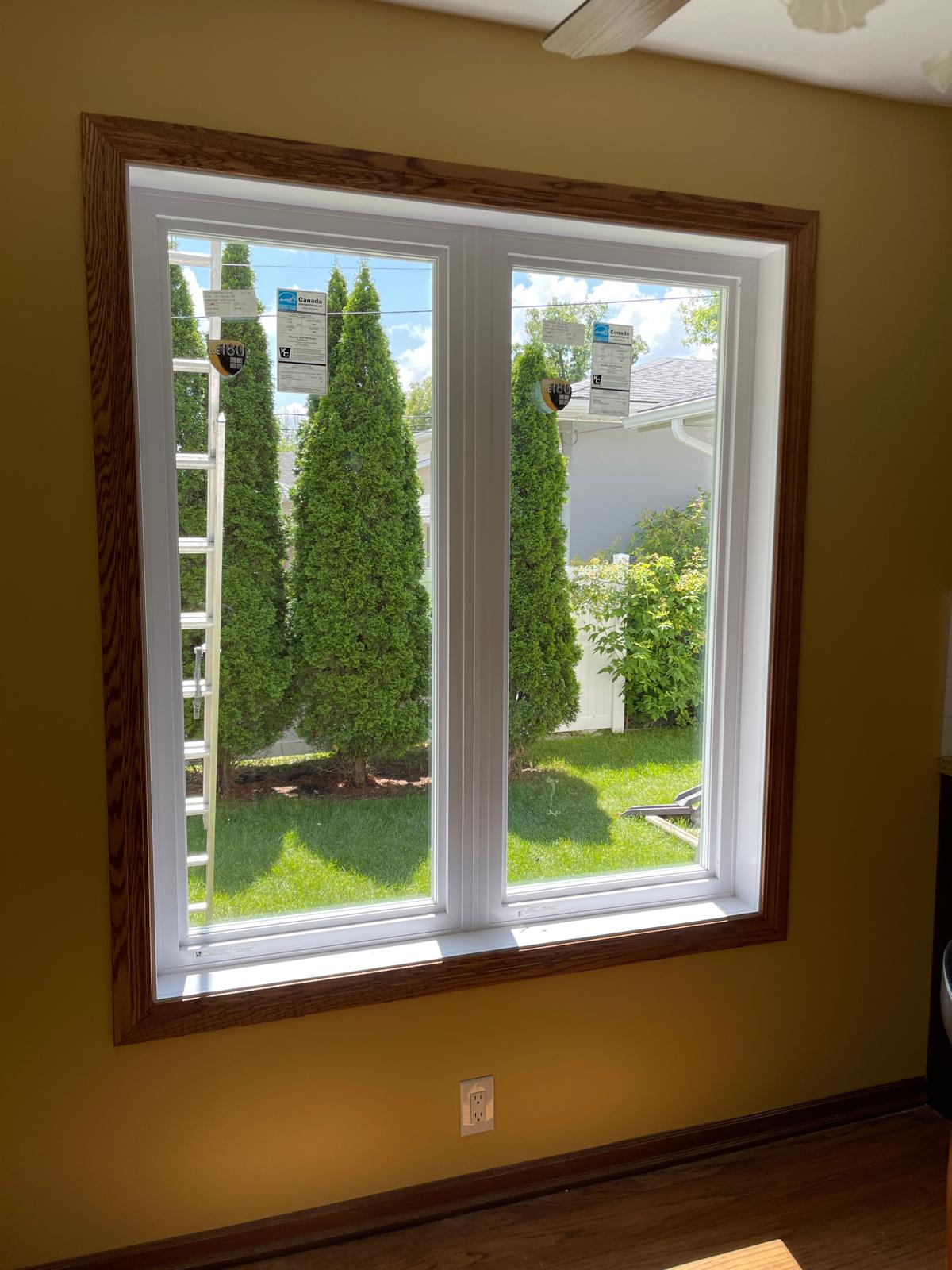
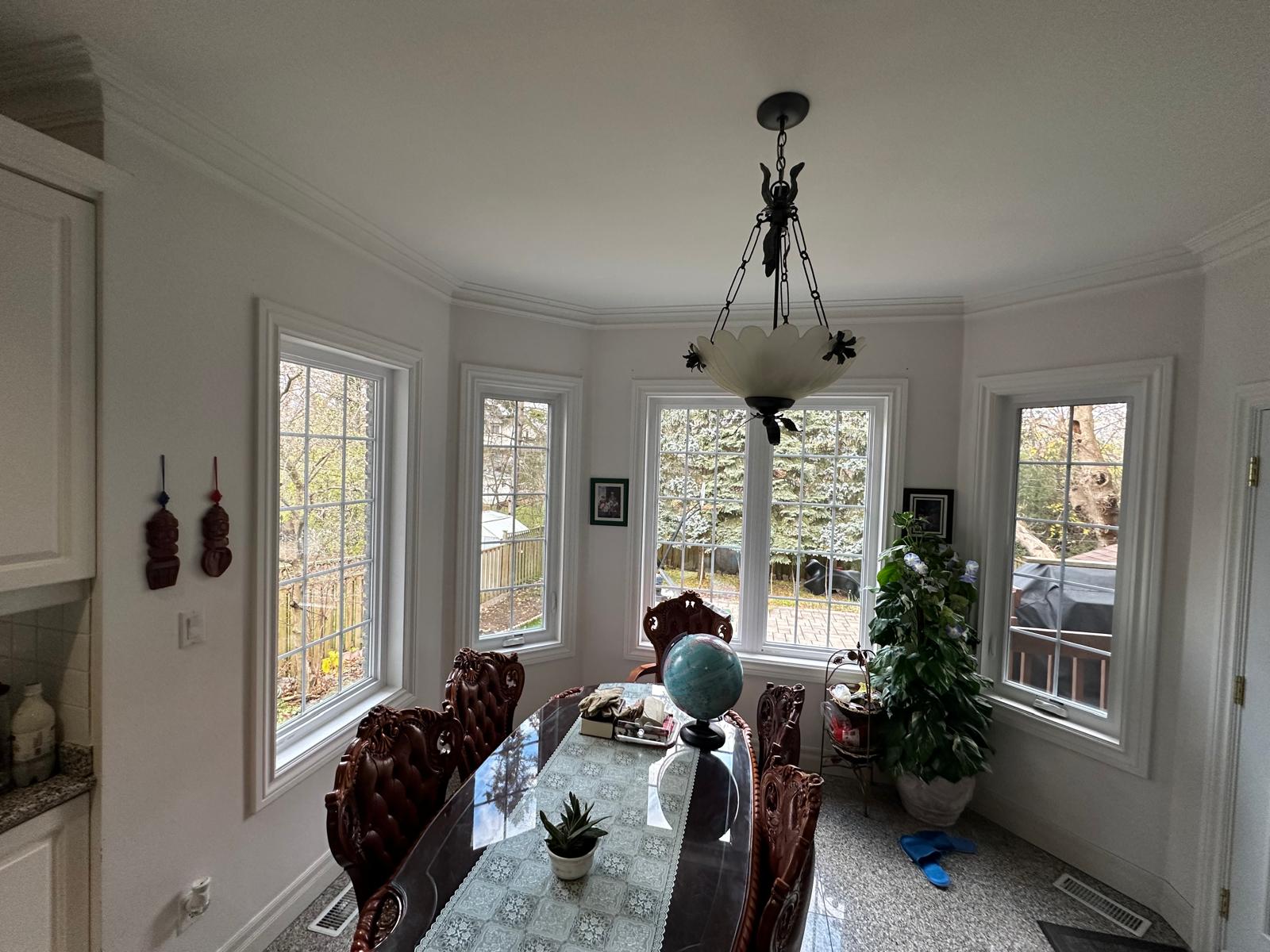
Most Popular Windows In Canada
Order New & Replacement Windows Today!
Vinyl windows have become a favourite among Canadian homeowners, and with good reason too! These affordable window replacements offer excellent energy efficiency; composed of PVC, they provide thermal resistance qualities that make vinyl the most energy-efficient window frames on the market.
Not only are vinyl frames affordable and energy-efficient, but they also require little to no maintenance and are extremely durable. Coupled with NorthShield’s transferable lifetime warranty, once installed, you will never have to worry about window replacements again!
Call our team to discuss the installation of your new vinyl windows today! We can schedule a FREE at-home estimate, providing accurate and transparent pricing so you know what to expect from day one.
Windows Designed By You
Fully Customizable Window Replacements
All of our windows are fully customizable, choose the colour of your new vinyl frames, energy efficient features, and so much more! With NorthShield you have the chance to design your new windows to perfectly match your home’s aesthetic. Below are some of our customizable options:
– 39 vinyl frame colour options
– Window grille patterns
– Specialty window hardware
– Double or triple glass
– Low-E coatings
– Window size and shape – we can manufacture it all!
No-Stress, Just New Windows
Our Window Installation Process
Once you have decided that NorthShield is the best window installation company for you, we will collaborate with you to provide a stress-free replacement and install service. When you work with us, you can expect:
– First, we will schedule a FREE at-home estimate. Allowing you to discuss your requirements with our technicians who can provide an accurate quote.
– Once you have decided to move ahead, we will manufacture your new vinyl windows right here in Canada.
– Next is the installation day! We will organize a date and time that suits you best, arriving on time and ready to work.
– Now it’s time to clean up! We will not leave until your home is returned to its original state, plus new windows.
– Lastly, we will follow up with you to ensure you are enjoying your new windows.
Frequently Asked Questions
How much do vinyl windows cost?
The price of our vinyl windows will vary by size, style and custom features. Below we have outlined the pricing for each window by style:
- Casement Window: $550-$1,200
- Fixed Casement Window: $450-$1,000
- Tilt and Turn Window: $650-$1,400
- Awning Window: $550-$1,200
- Single Hung Window: $500-$1,200
- Double Hung Window: $500-$1,200
- Single Slider Window: $500-$1,200
- Double Slider Window: $500-$1,200
- Bay & Bow Window: $3,000-$6,000
- Hopper Window: $500-$1,000
How do I know if my vinyl windows need to be replaced?
Not sure if it’s time for new windows? Watch out for these common signs that your vinyl windows might be due for an upgrade:
- Visible Damage: Cracked frames, warping, or rot are strong indicators.
- Drafts: Feeling a breeze near your windows could mean air leaks.
- Condensation Between Panes: This means the seal is compromised and the insulation has failed.
- Hard to Operate: If opening or closing the window is a struggle, the frame or mechanics might be worn out.
- Rising Energy Bills: Older or inefficient windows can cause temperature fluctuations that drive up heating and cooling costs.
- Noise Issues: Increased outdoor noise might point to gaps or deteriorated insulation.
- Foggy Glass: Fog or condensation inside the glass layers is a telltale sign the window’s seal is broken.
- Damaged Frames: Rotting, cracked, or decaying frames can result from years of weather exposure.
- Moisture Problems Around Windows: Look for peeling paint, mildew, or mold—these can signal water infiltration and deeper structural damage.
Do vinyl windows help block out heat?
Yes, vinyl windows are excellent at keeping heat out - especially when combined with energy-efficient upgrades like double or triple-pane glass and low-E coatings. These features work together to reduce heat transfer, helping maintain a comfortable indoor temperature and potentially cutting down on energy bills.
Why they're effective:
- Natural Insulation: Vinyl is inherently insulating, and many vinyl window frames are designed with multiple internal chambers that act as additional barriers against heat flow.
- Double or Triple-Pane Glass: These windows include insulating gases like argon or krypton between the panes, which significantly limits heat exchange compared to single-pane options.
- Low-E Glass: A low-emissivity coating reflects heat and harmful UV rays, keeping indoor spaces cooler in the summer and warmer in winter.
- Energy Savings: With this combination, vinyl windows offer impressive energy efficiency that can translate to noticeable savings on heating and cooling costs.
- Extra Perks: Vinyl windows are also known for being tough against UV rays and moisture, while requiring little upkeep over time.
How long do vinyl windows last?
Vinyl windows are built to last - typically between 20 and 40 years, depending on several factors.
What affects their lifespan:
- Climate Conditions: Severe heat, cold, or humidity can accelerate wear and tear.
- Sun Exposure: Direct sunlight over long periods can cause the vinyl to fade or degrade sooner, particularly in sun-heavy climates.
- Maintenance Habits: Cleaning and caring for your windows regularly can help them last longer.
- Installation Quality: A poor installation job can drastically reduce the effectiveness and lifespan of any window.
With NorthShield’s transferable lifetime warranty, you can enjoy peace of mind knowing your windows are protected for the long haul.
Do vinyl windows need maintenance?
Yes, even though vinyl windows are considered low-maintenance, a bit of regular upkeep goes a long way in keeping them performing well and looking great.
How to maintain your vinyl windows:
- Routine Cleaning: Wipe down frames and glass at least once a year using gentle, non-abrasive cleaners. Avoid anything too harsh that might damage the vinyl surface.
- Use Soft Tools: Clean with a soft cloth, sponge, or a gentle brush to avoid scratches.
- Track Care: Clean the sash tracks and vacuum any debris from the sill to prevent build-up that can interfere with opening or closing.
- Inspections: Periodically check for cracks, warping, or signs of moisture damage.
- Seal Checks: Inspect and replace any worn-out weatherstripping or broken seals to maintain energy efficiency.
- Caulking and Glass: Look for any broken caulk or cracked glass, and address these issues right away to preserve performance and appearance.
Can vinyl windows get mouldy?
While it’s rare for mould to form directly on vinyl, it can happen under the right conditions- especially in areas with high moisture and organic debris.
What causes it:
- Moisture: Mold thrives where there’s moisture from condensation, leaks, or humidity.
- Organic Particles: Dust, dirt, or other organic materials on the surface can give mold what it needs to grow.
- Typical Spots: Mold may appear in corners, along seals, or on window sills if the conditions are right.
Prevention Tips:
- Keep the area around your windows clean and dry.
- Wipe away condensation when it forms.
- Ensure good airflow to reduce humidity indoors.