

In this article
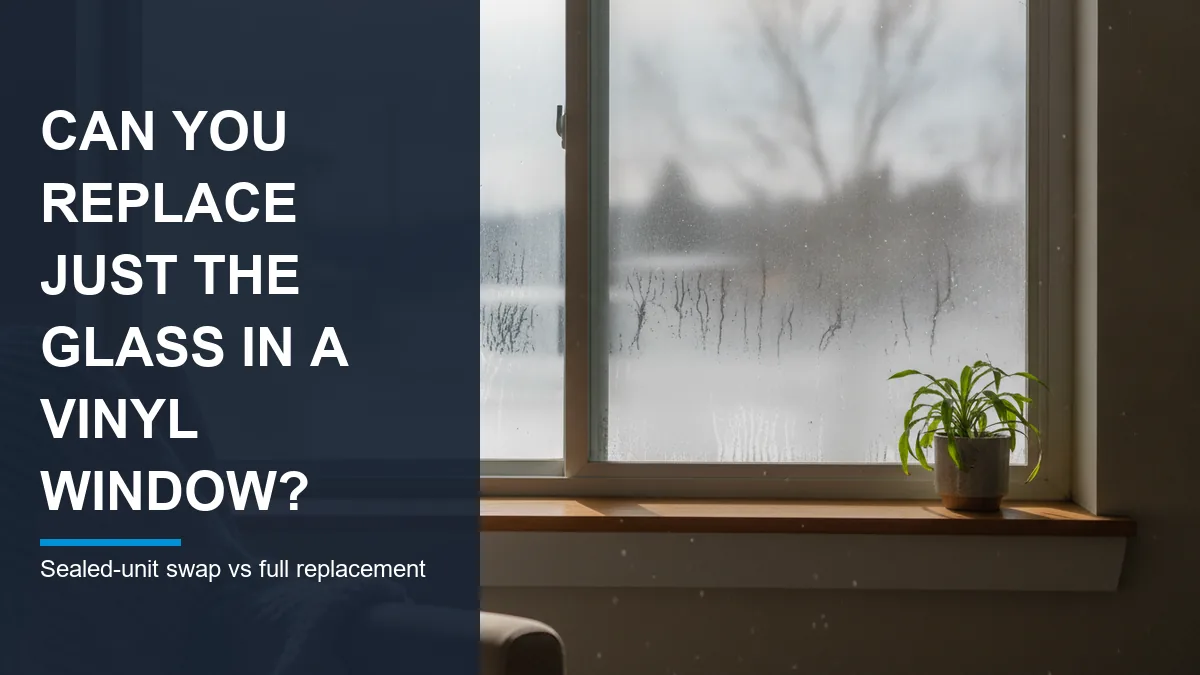
If you have condensation or a milky haze trapped between your window panes, you don’t necessarily need to replace the entire window. As long as the frame and hardware are still in good working condition, you can usually just replace the glass. This guide explains when a sealed-unit swap is the right choice, when a full replacement is necessary, and how our window glass options can fix the problem.
A vinyl window is not one solid thing. It is a frame, a moving sash, hardware, weatherstripping, and a sealed pane of glass, and any one of those can fail while the rest is fine. When only the glass has gone, replacing that one part is often the smart, cheaper fix. The trick is knowing how to tell a glass problem from a window problem before you spend a dollar.
The Short Answer
Yes, in most cases you can replace just the glass in a vinyl window frame. The glass in a modern window is a self-contained insulated glass unit, and it can be removed and swapped without touching the frame. If the vinyl frame is straight and solid, the sash moves and locks, and the only thing wrong is fogging, a crack, or a failed seal, a glass-only replacement gets you back to a clear, efficient window for far less than a full unit.
Where it stops being the right answer is when the frame itself is the problem. Warped vinyl, a sash that will not seal, drafts around the edges, water getting in, or a window that is simply old and tired across the whole house. In those cases new glass is money spent on a window that is failing in other ways. So the real decision is not glass versus window in the abstract. It is figuring out which part of your window actually failed.
Did you know?
The clear pane in your window is rarely a single sheet of glass. It is an insulated glass unit, two or three panes sealed together with a spacer bar and an inert gas like argon in between. That sealed pocket is what gives modern windows their insulating value, and it is also the part that fails when you see fog between the panes.
What is in a Vinyl Window Pane
To know whether the glass alone can be replaced, it helps to know what the glass alone actually is. The pane is an insulated glass unit, often shortened to IGU. Two or three sheets of glass are held apart by a spacer around the edge and sealed tight, with argon or another inert gas filling the gap and a low-emissivity coating on the glass to reflect heat. That whole sandwich is one sealed component. When people talk about window energy efficiency, this sealed unit is doing most of the work.
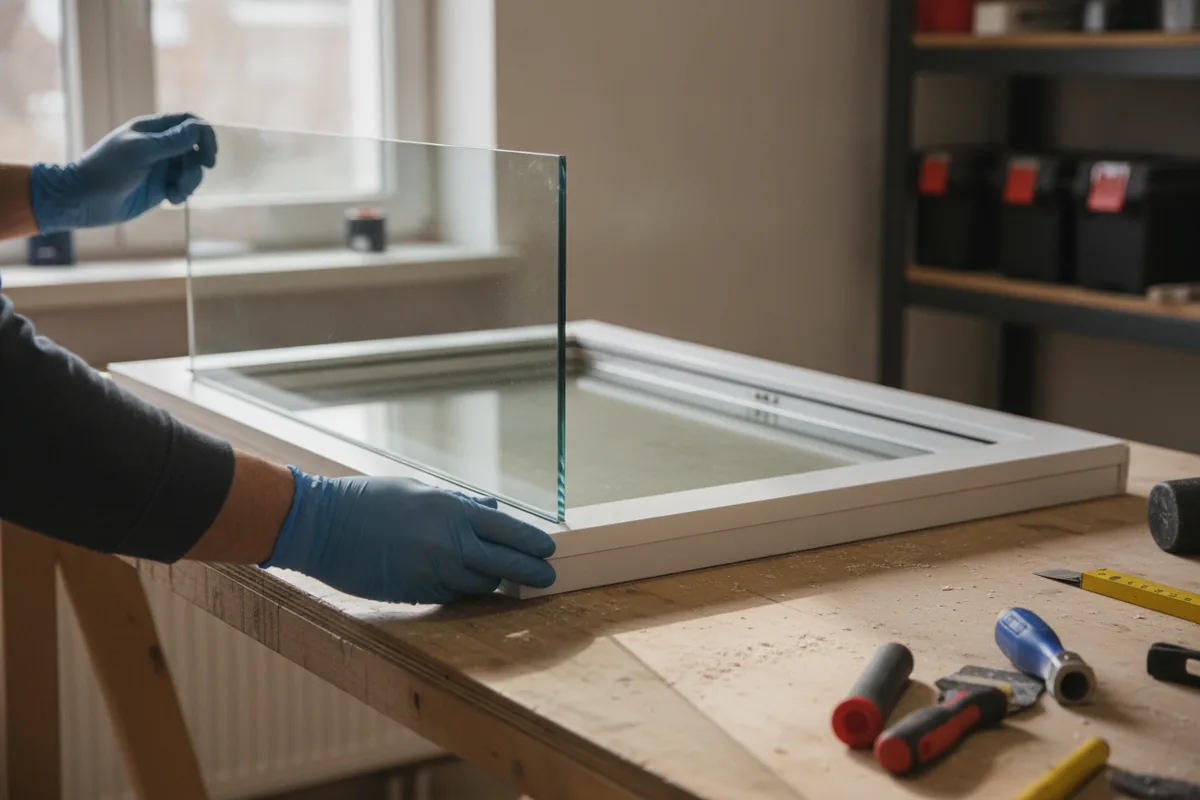
Because the IGU is a single replaceable part, a glazier can measure the opening, order a matching unit, pull the old one, and fit the new one into the same vinyl sash. The frame stays. The hardware stays. Only the failed glass changes. Performance ratings for these units, the kind certified through bodies like the National Fenestration Rating Council, describe the glass package, which is why getting a matching unit matters if you want the same energy numbers you started with.
People often ask: what causes the fog in the first place?
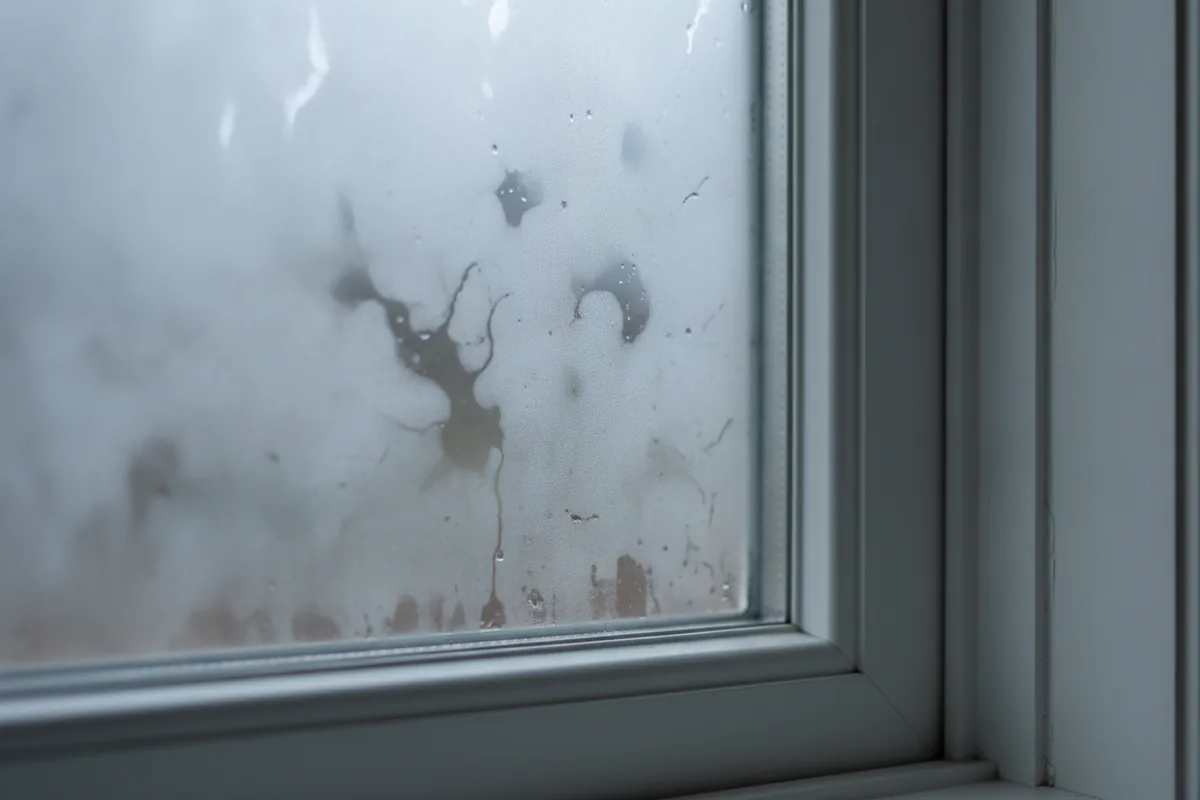
The seal around the edge of the unit breaks down over time, or was weak from the start. Once it fails, humid air works into the sealed pocket, and when temperatures swing, moisture condenses on the inner glass surfaces as haze or droplets you cannot wipe away. The gas fill leaks out too, so the window loses insulating value. That is why a fogged unit is both an eyesore and an efficiency problem.
When a Glass-Only Replacement Makes Sense
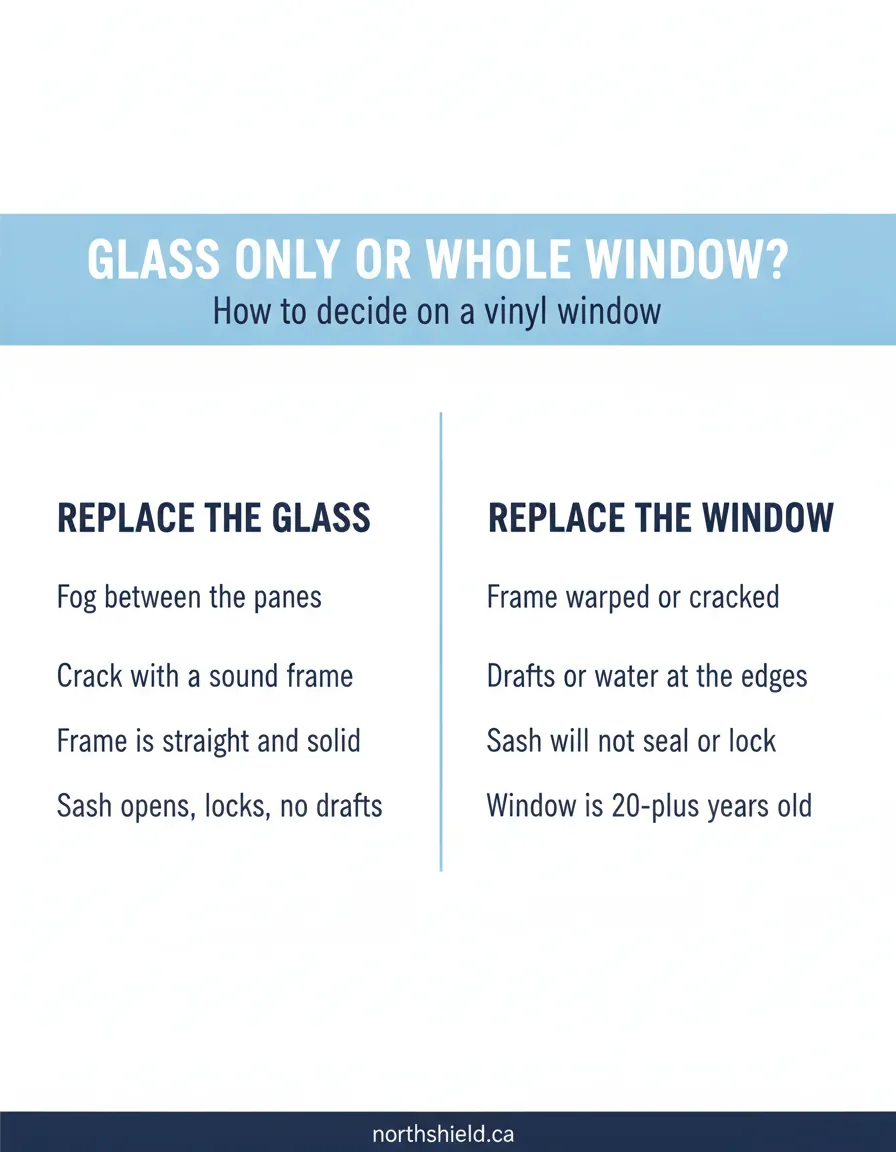
A glass-only swap is the right move when the failure is contained to the pane and everything around it still works. Run through the window honestly. If you tick most of these, you are a good candidate for replacing just the glass.
- Fog or haze between the panes. The classic failed-seal symptom, and the cleanest case for a glass-only fix.
- A crack or chip in the glass with a sound frame. Impact, stress, or thermal cracking in an otherwise healthy window.
- The frame is straight and solid. No warping, no soft spots, no rot at the corners.
- The sash opens, closes, and locks. Hardware and weatherstripping are still doing their job.
- No drafts or water around the edges. Air and water sealing at the frame is intact.
If that describes your window, replacing the IGU restores the clarity and most of the energy performance without the cost and disruption of a full replacement. It is the same logic behind a lot of glass repair work: fix the one part that failed, leave the rest alone.
One more check: how old is the window, and is it the only one failing? If a single five-year-old window fogged up after a stray ball or a manufacturing flaw, glass-only is an easy yes. If three windows of the same age are all clouding over at once, you may be looking at a batch of units near the end of their life, and that changes the math.
When You Are Better off Replacing the Whole Window
New glass in a tired frame is a short-term fix on a long-term problem. There are clear situations where the smarter spend is a new window, not a new pane. The tell is that the trouble is not in the glass at all.
If the vinyl frame is warped or cracked, if the sash will not seal or lock properly, if you feel cold air leaking around the perimeter in winter, or if water is staining the sill, the window is failing as a system. Swapping the glass does nothing for any of that. The same is true when a window is twenty-plus years old: even a fresh IGU sits in a frame and hardware that are near the end of the road, so you end up replacing the whole thing soon anyway.
Pro tip before you commit
Have someone check the frame and hardware at the same time they look at the glass. A good window company will tell you honestly whether you have a glass problem or a window problem. If most of the windows in the house are the same age and starting to fail together, a planned full replacement usually beats fixing them one pane at a time.
There is also a comfort and efficiency argument. Older single failing windows often were not high performers to begin with. Upgrading to a modern triple-pane or high-efficiency unit can cut drafts and heating loss across the whole opening, not just clear up the view. If you are weighing this, our piece on replace versus repair digs into how to make that call.
Glass Replacement vs Full Window: The Cost Picture
Glass-only replacement is almost always cheaper than a full window when the frame is healthy, because you are paying for one insulated glass unit and the labour to fit it, not a new frame, a full install, and disposal of the old window. For a single fogged or cracked pane in a solid frame, that is real money saved.
The savings disappear the moment the frame needs work too. If the install reveals a warped sash or a leaking perimeter, you are paying for glass and then paying again for the window. That is why an honest assessment up front matters more than the sticker price of a single pane. Energy programs such as ENERGY STAR Canada rate the whole window for performance, so when you are upgrading for efficiency rather than just fixing a fault, a certified full unit is usually what qualifies and what pays back over time.
A simple rule: if the frame is sound and one pane failed, replace the glass. If the frame is failing, the window is old, or several units are going at once, price out a full window replacement and compare the lifetime cost, not just the price tag this week.
Please note: This article is general home-improvement information, not a diagnosis of your specific window. Whether glass-only replacement is appropriate depends on the condition of your frame, sash, and hardware, which should be assessed in person. NorthShield Windows and Doors is not responsible for outcomes from work done based on this content. Always have a window professional inspect the unit before deciding to replace the glass or the whole window.
Download the free quick guide
Save this as a PDF to keep on hand.
FAQs
Sources and references
- Natural Resources Canada – ENERGY STAR Canada
- Natural Resources Canada – ENERGY STAR program overview
- National Fenestration Rating Council – window and glazing performance ratings
Not sure which fix you need? The cleanest way to find out is to have someone look at the glass and the frame together, so you do not pay for new glass in a window that needs replacing anyway. NorthShield Windows and Doors sells and installs factory-direct vinyl windows and handles sealed-unit questions across our service area. Get in touch for a free estimate and we will tell you straight whether you have a glass problem or a window problem.