

If you’re feeling cold air around your front entrance, you’re not alone. A drafty front door is one of the most common causes of heat loss in Canadian homes, especially during colder months.
The good news? Many drafts can be fixed with simple adjustments like replacing weatherstripping, sealing gaps, or improving alignment. However, if the door itself is outdated, warped, or poorly insulated, a full front door replacement may be the more effective long-term solution.
In this guide, we’ll walk you through both, starting with practical fixes you can try yourself.
Table Of Contents:
How to Fix a Drafty Door (Step-by-Step Solutions)
When DIY Fixes Aren’t Enough
The Long-Term Solution
Why Doors Become Drafty Over Time
Should You Repair or Replace?
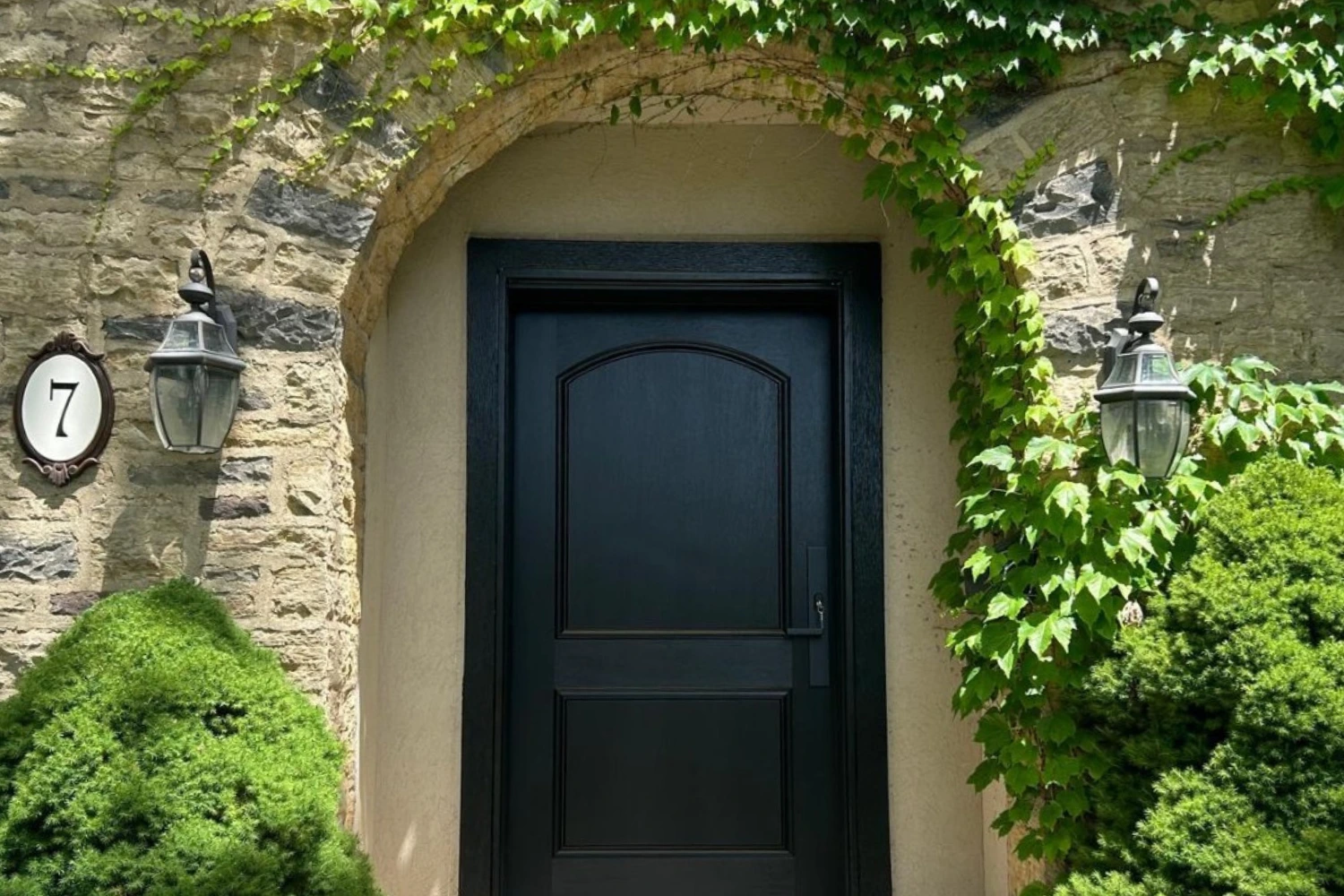
How to Fix a Drafty Door (Step-by-Step Solutions)
Before assuming you need a new door, it’s worth checking a few common problem areas. In many cases, minor air leaks can be resolved with straightforward improvements.
1. Replace Worn Weatherstripping
Weatherstripping is the flexible seal that lines the inside edge of your door frame. When the door closes, it compresses against this material to block out air.
Over time, weatherstripping can:
- Crack
- Flatten
- Tear
- Lose its flexibility
If that seal isn’t compressing properly anymore, cold air can easily slip through.
How to fix it:
- Remove the old weatherstripping (it usually pulls out or peels off).
- Clean the surface so dirt or adhesive residue doesn’t prevent a tight seal.
- Measure the frame carefully.
- Install new compression weatherstripping or adhesive-backed foam designed for exterior doors.
- Close the door and check that it presses firmly against the seal.
If you can still see light around the edges when the door is closed, the seal may need adjusting or upgrading.
2. Install or Replace a Door Sweep
The space under your door is one of the biggest sources of drafts. Even a small gap at the bottom can let in a surprising amount of cold air.
A door sweep is a strip of rubber, vinyl, or brush material attached to the bottom edge of the door. It creates a barrier between the door and the threshold.
How to fix it:
- Measure the width of your door.
- Remove the old sweep (if there is one).
- Cut the new sweep to size.
- Attach it securely with screws or slide it into the existing groove (depending on design).
- Ensure it lightly touches the threshold when closed – not so tight that it prevents the door from opening easily.
If the bottom of the door still feels cold after replacing the sweep, the threshold itself may need adjustment.
3. Re-Caulk Around the Exterior Frame
Sometimes the draft isn’t coming through the door slab at all — it’s coming from gaps around the frame where it meets your siding or brick.
Over time, exterior caulking can:
- Crack
- Shrink
- Separate from the surface
How to fix it:
- Remove old, damaged caulking using a scraper.
- Clean the area thoroughly.
- Apply a bead of high-quality exterior-grade sealant.
- Smooth the bead to ensure full contact.
- Allow it to cure fully before exposing it to moisture.
This step seals small air leaks around the frame and can noticeably improve comfort.
4. Adjust the Door Hinges and Strike Plate
If your door doesn’t sit flush within the frame, it may not be sealing properly — even if your weatherstripping is new.
This is often caused by:
- Loose hinge screws
- Slight house settling
- Minor frame shifting
How to check:
- Close the door slowly and observe whether it presses evenly against the frame.
- Check if there are uneven gaps on one side.
How to fix it:
- Tighten hinge screws.
- Replace short hinge screws with longer ones that anchor deeper into the framing.
- Adjust the strike plate slightly so the latch pulls the door snugly into the frame.
Even a small alignment adjustment can significantly improve how well your door seals.
5. Replace or Adjust the Threshold
The threshold is the bottom plate that your door closes against. Many modern thresholds are adjustable, meaning you can raise or lower them slightly.
If the threshold is worn down or too low, it won’t create a tight seal.
What to look for:
- Visible daylight under the door
- Air movement near the floor
- A worn or cracked threshold surface
Some thresholds can be raised with a screwdriver. Others may need replacement entirely.
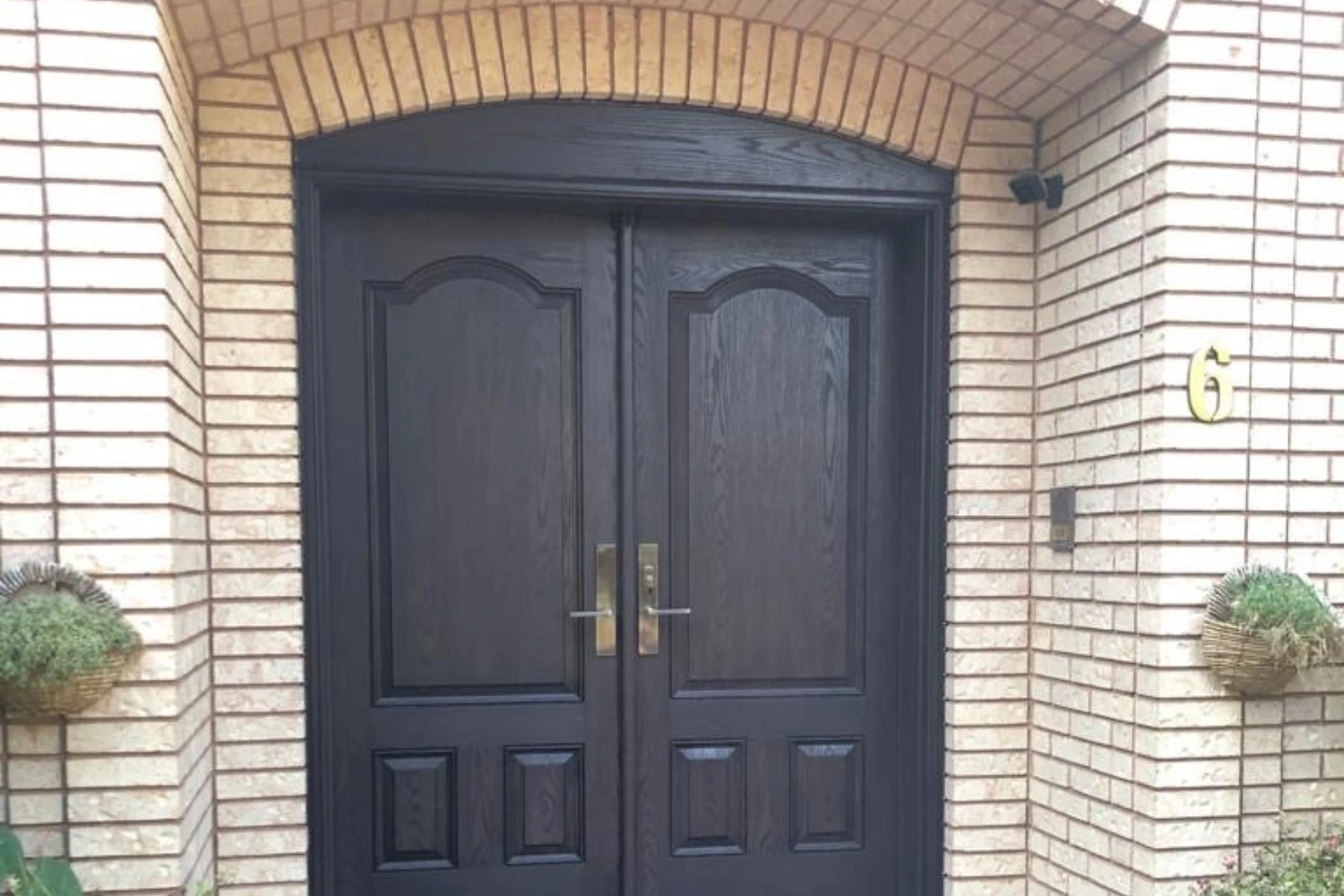
When DIY Fixes Aren’t Enough & A Replacement Door May Be Needed
DIY repairs work well when the problem is limited to worn seals or minor alignment issues.
However, in our experience, repairs may not solve the issue if:
- The door is 15-20 years old
- The door slab is warped or bowed
- The glass insert feels noticeably cold
- Drafts remain even after sealing and adjusting
- The door doesn’t sit square in the frame
In these cases, the issue isn’t just sealing – it’s insulation, structural integrity, or outdated materials.
That’s when replacement becomes a smarter long-term investment.
The Long-Term Solution: Energy-Efficient Replacement Doors
Modern exterior doors are built very differently from older models.
Today’s insulated entry doors are engineered for energy efficiency, durability, and long-term performance.
Proper Installation Matters More Than Most Homeowners Realize
Even a high-quality door can draft if it isn’t installed correctly.
A professional installation should include:
- Ensuring the opening is square and level
- Proper shimming for even pressure
- Insulated foam sealing behind the frame
- Careful alignment of hinges and latch
- Verification that the door compresses fully against the seals
When installed properly, the door should close smoothly and form a tight seal around the entire perimeter.
Modern Insulated Door Technology
If your current door lacks insulation, replacement can dramatically improve comfort.
1. Fibreglass Doors
Fibreglass doors are highly resistant to warping and moisture. They typically contain insulated cores that help prevent heat transfer, making them ideal for fluctuating temperatures.
2. Steel Doors
Steel doors provide excellent durability and strength. When paired with insulated cores, they offer strong thermal performance while maintaining structural stability.
3. Triple-Glazed Glass Inserts
If your front door includes decorative glass, upgrading to triple-glazed insulated glass can significantly reduce heat transfer and minimize condensation. This keeps the area around your entryway more comfortable.
Modern manufacturing standards and professional installation techniques make a noticeable difference compared to older door systems.
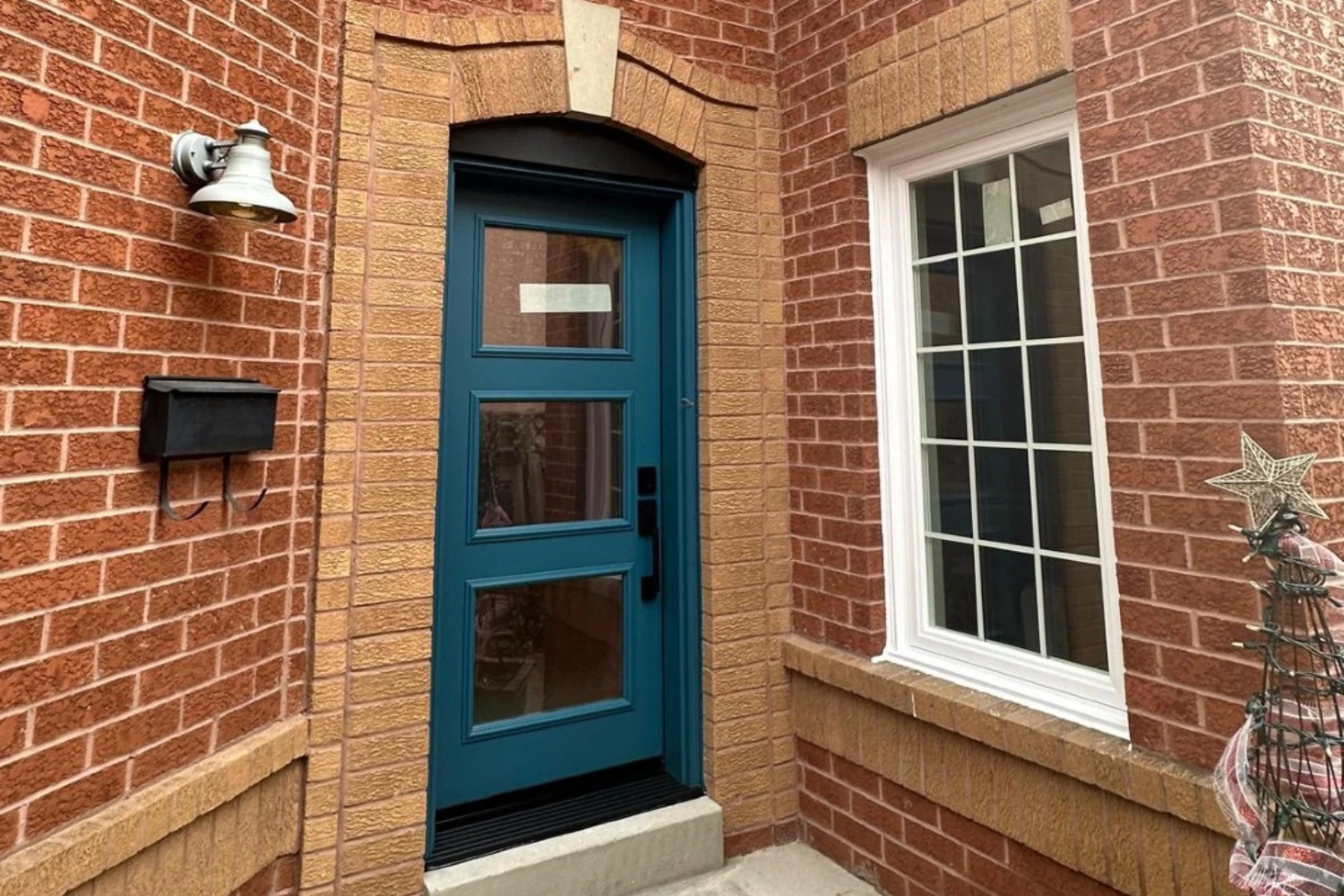
Why Doors Become Drafty Over Time
Understanding why drafts happen can help you prevent them in the future.
Common causes include:
- Worn seals that lose flexibility
- House settling, which shifts alignment
- Poor original installation
- Low-quality materials that degrade
- Outdated insulation technology
Doors are constantly exposed to wind, moisture, and temperature changes. Over time, these factors naturally impact performance – especially in Canadian climates.
Should You Repair or Replace Your Drafty Door?
If you’re unsure what to do, here’s a simple way to decide:
Repair May Be Enough If:
- The door is relatively new
- The structure is still square
- Only seals or hardware are worn
- The slab itself isn’t warped
Replacement May Be the Better Choice If:
- The door is older and poorly insulated
- Drafts persist after adjustments
- You notice visible warping
- Heating costs remain high
- Comfort near the entryway is still inconsistent
A properly insulated, professionally installed exterior door can improve comfort, reduce heat loss, and provide long-term durability.
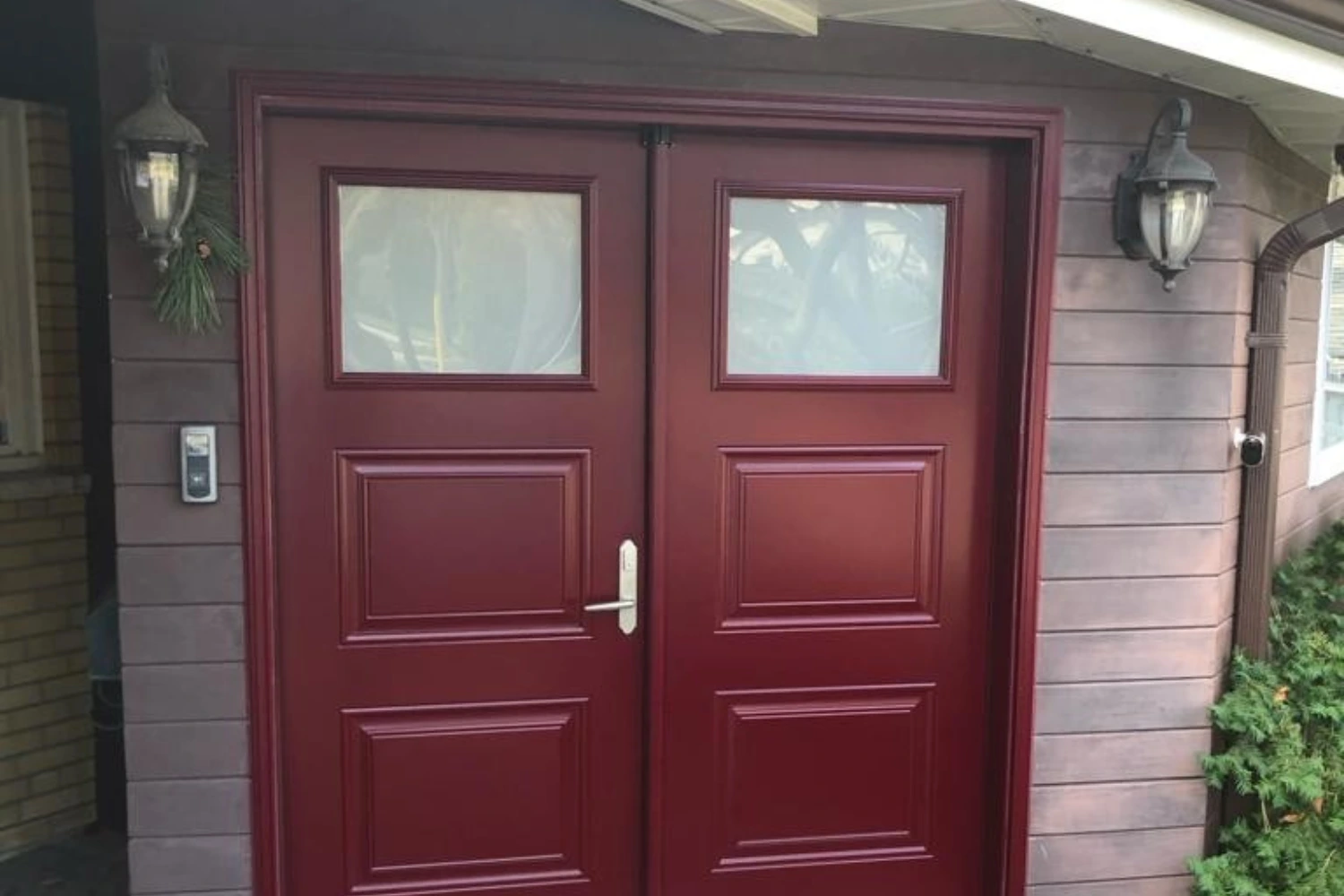
Book A FREE Assessment Today
A drafty front door doesn’t always mean you need a new one. In many cases, replacing weatherstripping, adjusting alignment, or sealing gaps can solve the problem.
But if your door is outdated or structurally compromised, replacing it with a modern, insulated system can make a significant difference in comfort and energy performance.
If you’re unsure which direction makes sense for your home, a professional inspection can help you determine whether a simple fix will do or whether it’s time to consider upgrading your entryway.

Written by